How do I price my handmade items for a craft fair?
Aim to set prices that cover your estimated costs, compensate you for labor, and allow for some profit and fees.
You're lining up items on your table, staring at blank tags, and wondering if the price feels too high or too low. Customers love the work, but you know they compare it to mass-produced options. You're trying to be fair to shoppers while also respecting the hours you spent making each piece. It's easy to feel torn between affordability and the real cost of your craft.
One approach is to use a simple formula: materials + labor + overhead = base cost. You can then apply a target margin (for example, base cost × 1.3 for a 30% margin). Another common check is the retail multiplier many makers use: (materials + packaging + overhead) × 2 to 2.5, then add labor separately so your time is always paid. Don't forget considerations like booth fees, card processing, shipping supplies, display wear-and-tear, and the time spent on admin and setup. Pricing needs to cover both the item and the cost of showing up to sell it.
Consider creating a repeatable pricing sheet that tracks every input: material cost per unit, minutes to make, hourly rate, overhead percentage, and target margin. Knowing your base cost and margin can help you adjust for event fees, run bundles, or offer small-item price points without eroding profit. Over time, a consistent method can simplify pricing decisions instead of forcing a last-minute scramble before a market.
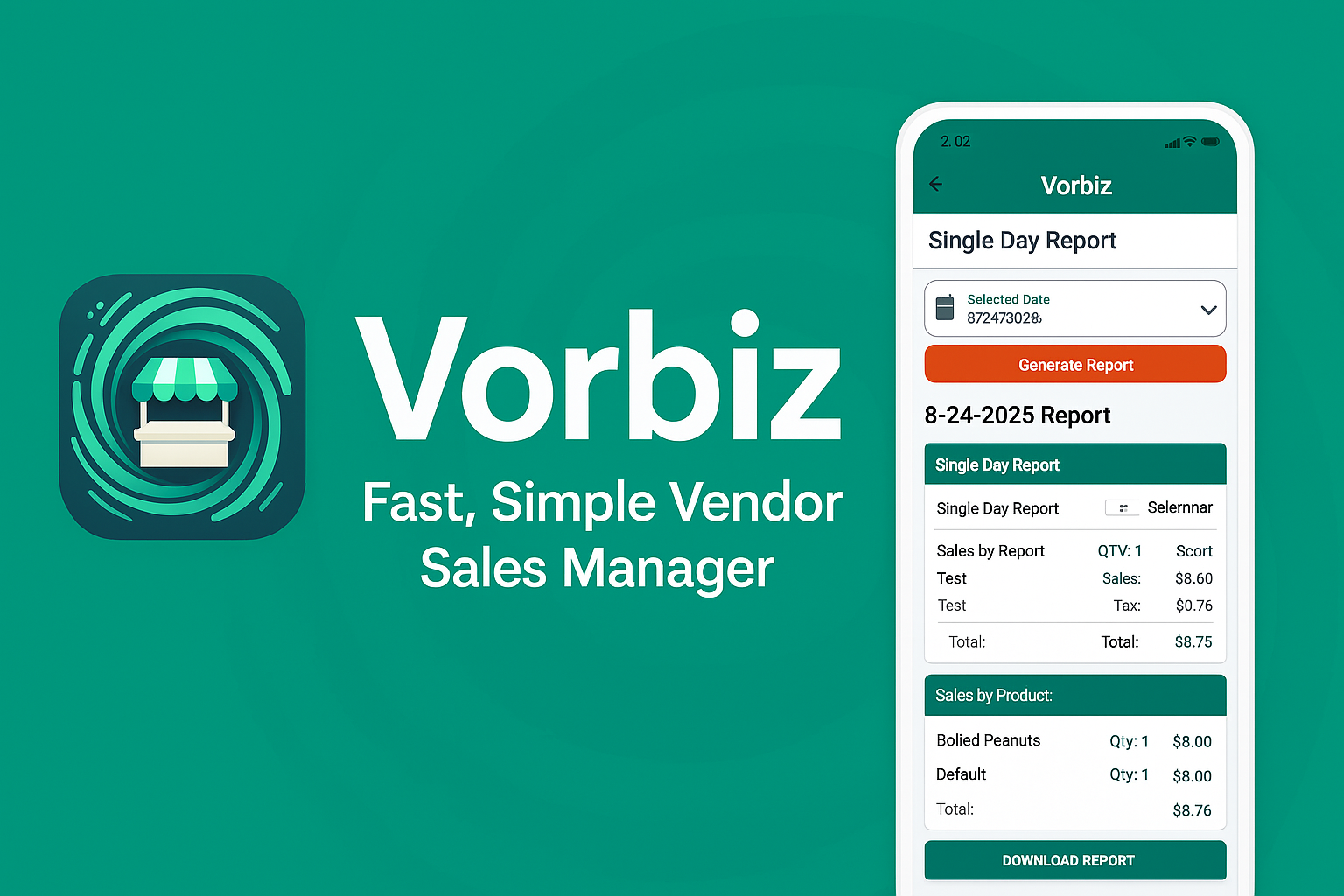
Stop Guessing. Start Growing.
Stop waiting until the end of the month to see if you made money. Get instant clarity on every sale, even without Wi-Fi.


Related resources
LEGAL NOTICE: Information on Vorbiz.net is for educational purposes and not a substitute for professional legal, tax, or financial advice. Read Full Disclaimer