Is having a range of prices (low to high) important?
A price ladder helps customers self-select and increases average order value.
Offering products at a range of price points can significantly boost your sales at craft fairs or markets. When you have entry-level, mid-range, and premium items, you give each customer a way to engage. If all your prices sit in one narrow band, you might miss both budget seekers and shoppers who want to splurge.
A healthy pricing mix typically looks like a small ladder of tiers:
- Entry (low end): Lower-priced items (e.g., $5–$10) draw people in and let bargain-hunters find something affordable.
- Mid-range (strong middle): The bulk of your inventory and bestsellers can live here, appealing to most customers.
- Premium (high end): A few high-end pieces act as anchors, elevate your brand, and give shoppers an aspirational option.
Each tier can maintain its own profit margin. Display these tiers clearly—group products by price range or use signage so shoppers can self-select.
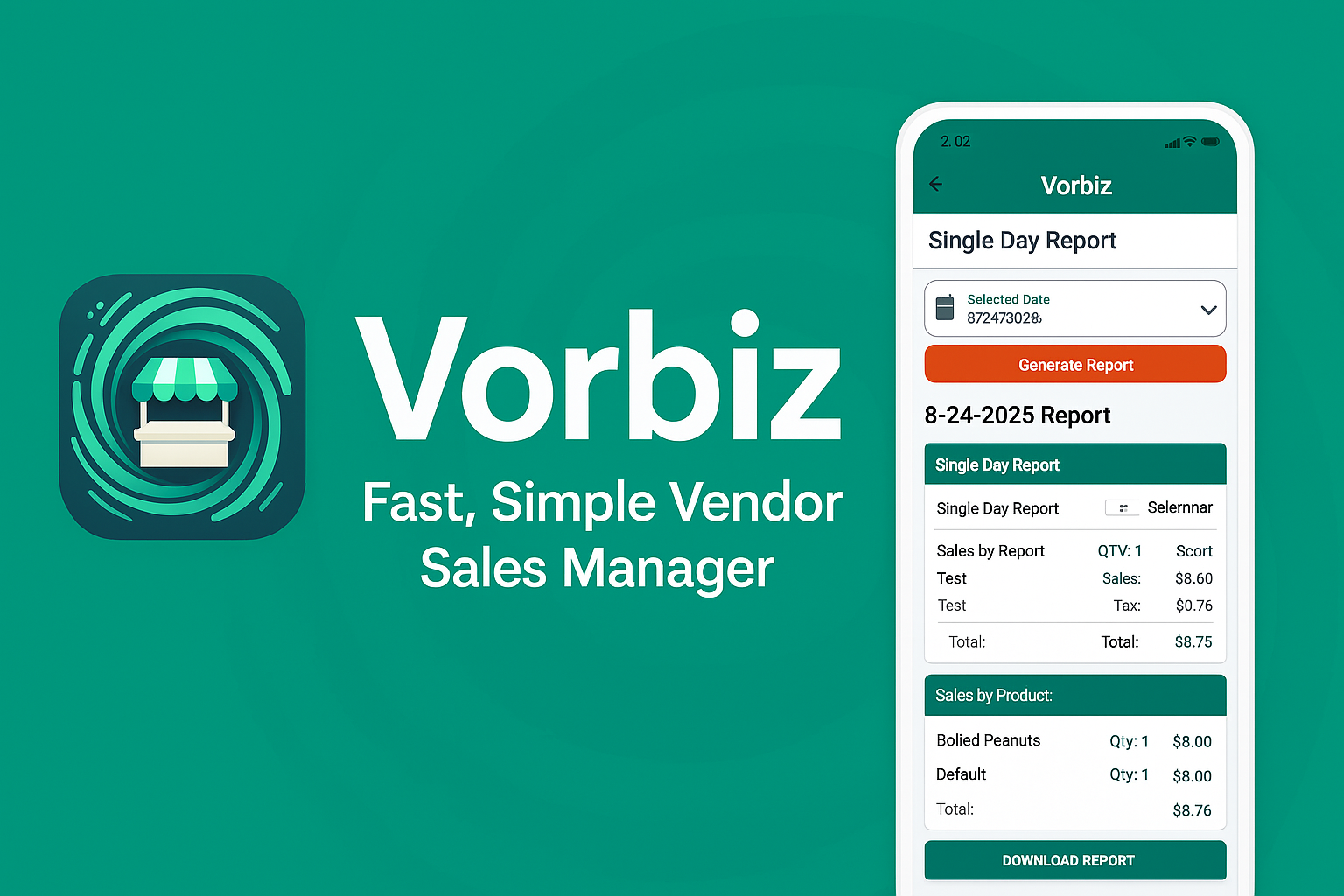
Track your sales by item and price tier. Label products in your sales tool (like Vorbiz) and run reports to see which price levels sell best. Adjust your mix based on what moves. A visible, logical ladder of prices makes your booth approachable and often raises overall order value.
Stop Guessing. Start Growing.
Stop waiting until the end of the month to see if you made money. Get instant clarity on every sale, even without Wi-Fi.


Related resources
LEGAL NOTICE: Information on Vorbiz.net is for educational purposes and not a substitute for professional legal, tax, or financial advice. Read Full Disclaimer