How do I handle sales tax if I sell in another state?
Selling in another state may create tax obligations based on nexus and local rules.
You travel to a market across state lines and suddenly worry about different tax rates and permits. It can feel risky to sell without knowing the rules.
Selling products in multiple states or jurisdictions often triggers “nexus” requirements, which are the legal connections that require a vendor to collect and remit sales tax. In many states, once a sales tax permit is issued, the state requires the filing of regular tax returns, even if no sales were made during that specific period (often referred to as “zero-filing”). Because sales tax regulations often change and can be complex (including Wayfair/economic nexus guidance), vendors may want to regularly review the guidelines provided by each state’s Department of Revenue to stay current.
Confirm whether the event state requires a temporary or standard permit, then set the correct local tax rate in your point-of-sale system. Keep a separate record of sales for that state so you can file the correct return. Planning ahead removes the stress and keeps you compliant.
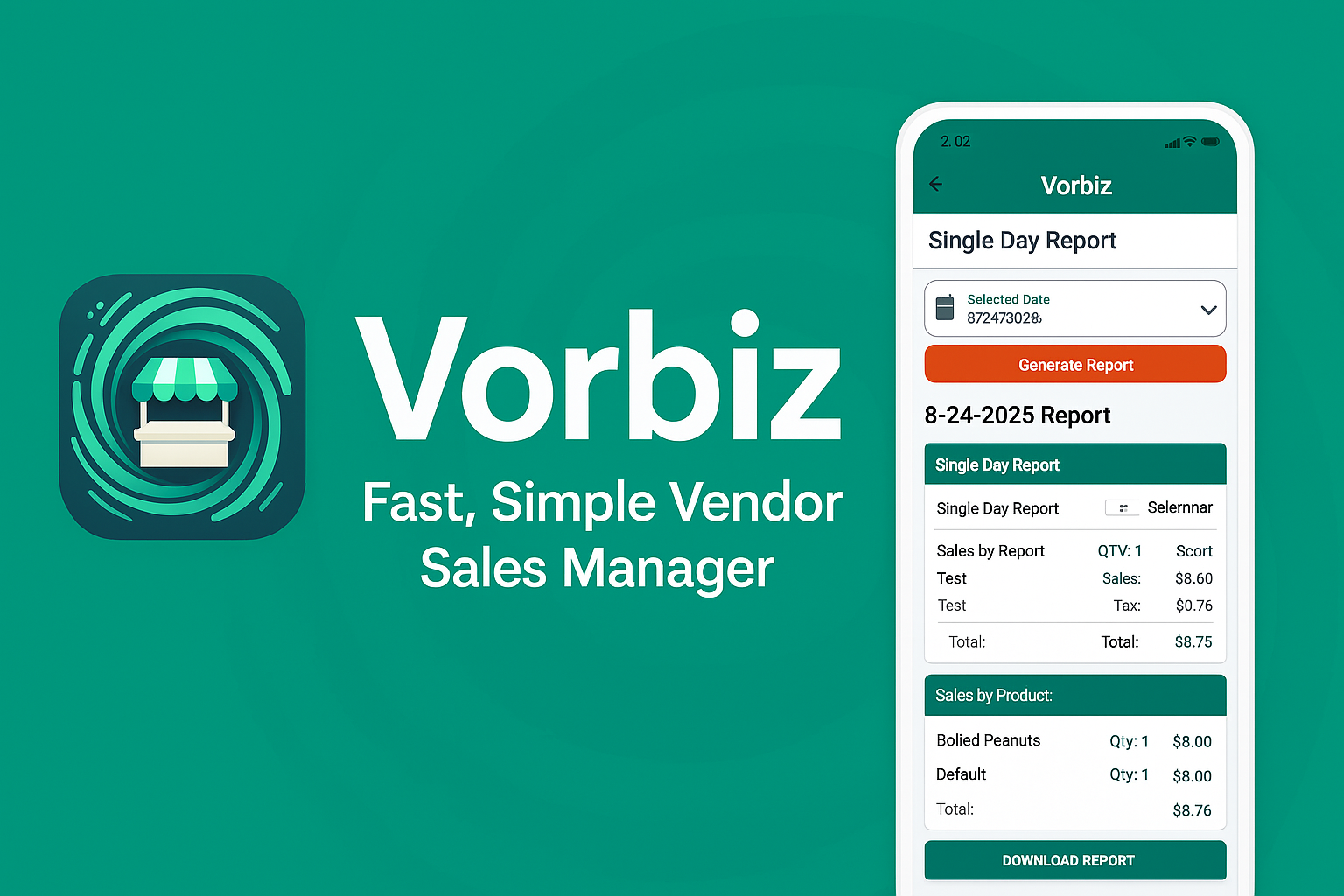
Stop Guessing. Start Growing.
Stop waiting until the end of the month to see if you made money. Get instant clarity on every sale, even without Wi-Fi.


Related resources
LEGAL NOTICE: Information on Vorbiz.net is for educational purposes and not a substitute for professional legal, tax, or financial advice. Read Full Disclaimer