How can I tell if my prices are too high or too low?
Demand leaves clues: steady sellouts, slow stalls, and hesitant shoppers all point to where your pricing is landing right now.
The Narrative
The Empathy
When you're selling in markets or fairs, pricing can feel like guesswork. You restock items, watch some fly off the table, and see others linger. You don't want to underprice your work, and you also don't want a table full of products that feel invisible to shoppers. It can feel like you're guessing every time someone pauses at your booth.
The Education
Demand signals show up in patterns. Track how many units you stock and sell at each event, and note how fast products move. Recording this sell-through rate helps you see which way to nudge your prices, and how long items take to sell at their current price.
- Sellouts vs. leftovers: If products consistently sell out by midday, try raising that price by a few percent. If goods sit at the end of the market, test a modest price drop.
- Customer feedback: If you hear “I was expecting it to be cheaper,” your price might be too high. If customers are happy to take home items with no complaints, you might have room to increase.
- Product mix: Offer some lower-priced options for budget-conscious buyers. An entry-level item and a few premium items let everyone find something to buy.
Use small signs to highlight value (like “handmade” or “organic ingredients”) so customers understand what they are paying for. Pricing clarity makes it easier to read demand signals accurately.
The Solution
Treat pricing changes like experiments. Pick one or two items and adjust their prices by 5–10%, then run the next few markets with everything else the same. If raising a price only slightly slows sales, you've discovered extra margin. If lowering a price on a slow-moving item sparks better sales, you've found a more effective price point. Keep notes on each test so you can tell real trends from one-off market quirks.
Always make sure your base prices cover your costs—materials, labor, and any fees. After that, use real sales data to guide you. By balancing costs and demand signals, you'll find price points that lead to steady sales and healthy profits.
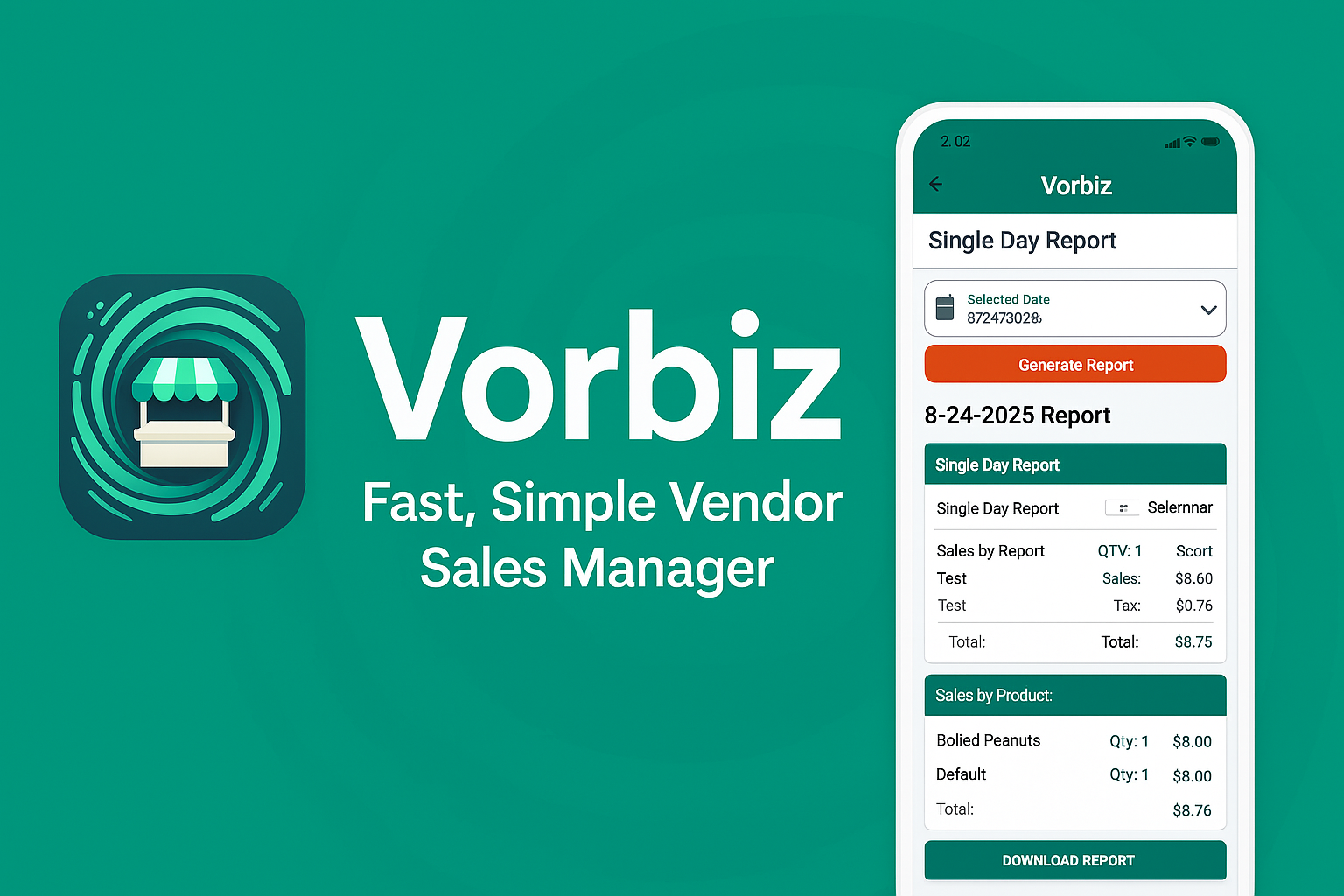
Stop Guessing. Start Growing.
Stop waiting until the end of the month to see if you made money. Get instant clarity on every sale, even without Wi-Fi.

