How do I price my artisan food or farm products at a farmers market?
Start with real costs, add margin for spoilage, and use local comparisons to set sustainable farmers market prices.
The Narrative
The Empathy
Setting prices for homemade food at a farmers market can feel complicated, but the basics are straightforward. You are juggling ingredients, packaging, booth fees, and the reality that food can spoil if it doesn't sell fast enough.
The Education
Start with your costs and include everything that goes into each item: ingredients, packaging and labeling, market stall fees, labor time, and any permits, licenses, or insurance. Because food can spoil, build in a margin for shrinkage (often 10–15%) to cover unsold or wasted goods. Then compare to similar items at your market so you know where your prices land next to other vendors.
Costs to include:
- Ingredients: All recipe items per batch.
- Packaging & labeling: Containers, bags, boxes, jars, and labels.
- Labor: The time you spend prepping and selling each batch.
- Overhead: Booth fees, kitchen rental, licenses, and other fixed expenses.
Use clear signage that lists price per jar, loaf, or pound and highlights what makes your item special (like “100% local honey” or “handmade mozzarella”). Good packaging and a simple story can justify a premium price. Once you know the total cost per unit, add your profit and sanity-check against comparable items.
The Solution
Test and adjust. Track how many of each item you sell at each market. If something sells out every time, you might be underpriced—consider a small increase next time. If an item rarely sells, try lowering its price or changing its display. Listen to customer feedback on pricing and taste, and refine each product's price so it covers costs, makes a fair profit, and fits your local market.
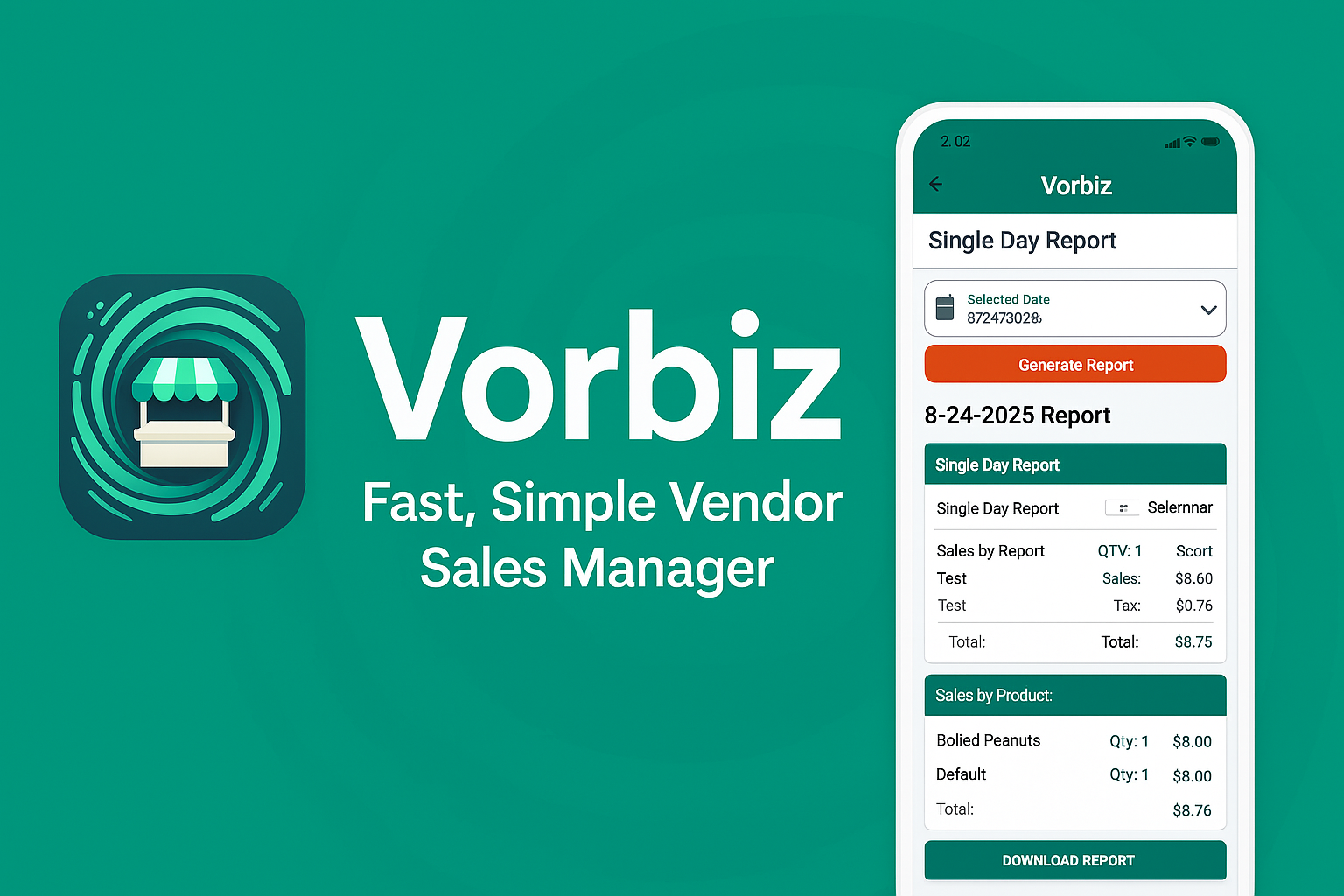
Stop Guessing. Start Growing.
Stop waiting until the end of the month to see if you made money. Get instant clarity on every sale, even without Wi-Fi.

