How should I price high-end vs. low-end items?
Build a tiered lineup so premium pieces feel justified and entry items still pay for your time.
The Narrative (Left Column)
The Empathy
You bring a mix of high-end pieces and quick-grab items to a market, but the price gap makes you nervous. When a shopper pauses at a premium item and then points to the low-end option, you worry the tiered pricing looks inconsistent or even unfair. You want a display strategy that feels intentional so customers understand why one piece costs more without you having to defend it all day.
The Education
Tiered pricing works best when every level is anchored in the same formula: material cost + labor + overhead + margin. Your high-end items get a higher margin because they carry more risk, time, or artistry, while low-end items stay profitable with faster production and smaller margins. Pair the math with a display strategy: group premium pieces together at eye level with clear feature cards, keep mid-tier items nearby as the bridge, and place entry-level items in their own section so the tiers are obvious instead of jumbled.
The Solution
Create a simple system that tags each product by tier, tracks margin goals, and documents the display strategy for every event. When you can see each tier's price range and profit target, you avoid undercutting your high-end work or overproducing low-end items. The tiers become a story in your booth: premium pieces lead the conversation, mid-tier items close the sale, and entry items make it easy for new customers to say yes.
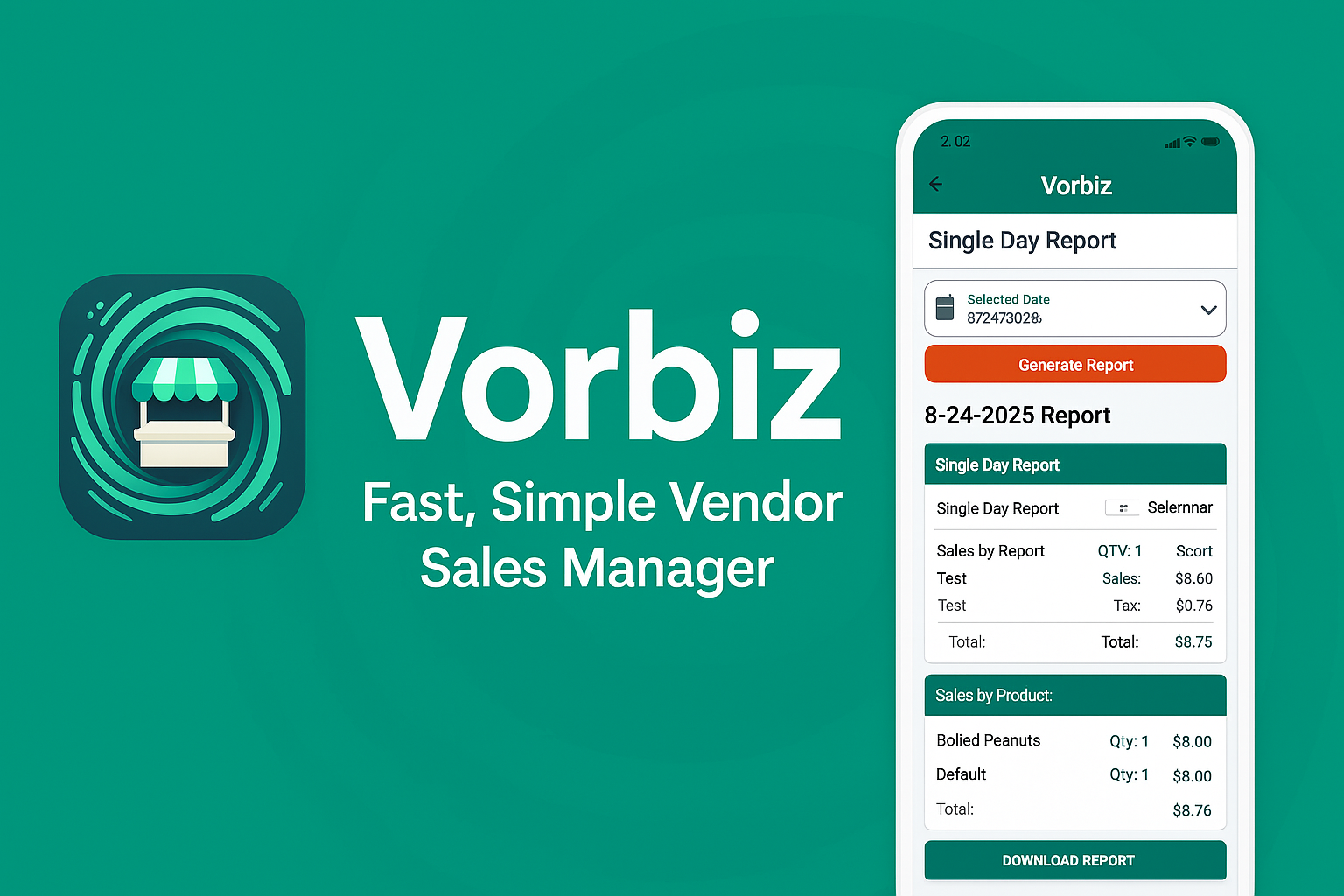
Stop Guessing. Start Growing.
Stop waiting until the end of the month to see if you made money. Get instant clarity on every sale, even without Wi-Fi.

