How do I price custom or personalized items at the fair?
Custom work should feel profitable, not stressful, so build a price that pays for extra time, risk, and client expectations before you say yes.
The Narrative
The Empathy
Custom or personalized orders can be a great way to please a customer, but they often require extra work. At a craft fair or market, someone might ask for a special name, color, or design on an item you already sell. You want to say yes, but you need a price that covers the extra time, effort, and risk. Otherwise, a friendly gesture can end up costing you money.
The Education
A good approach is to start with your regular item price and then add a customization premium. In practice, this means charging a flat surcharge (for example, an extra $5–$20 per personalized item) or applying an hourly rate to the extra work. Estimate how much extra time the custom request will take: this includes design or consultation time, production time, and even room for revisions or mistakes. For instance, if hand-engraving a name takes an hour and your time is worth $20/hr, you'd add $20 on top of the item's normal price.
Make sure to include all the extra steps when calculating your price. If you're sketching a new design, choosing special materials, or hand-painting details, count that labor. Also think about a buffer for unexpected changes – customers often tweak requests or review proofs. Being conservative in your estimate protects you from working extra hours for less pay.
The Solution
In addition, collect a deposit up front for custom work. Even a partial payment (30–50% of the quoted price) can protect you if a customer changes their mind later. Clearly explain your terms (like whether the deposit is refundable) so expectations are set before you start.
A simple formula can guide you: custom price = base price + personalization fee + rush fee (if needed). Write down the agreed price, time estimates, and deposit before you start. Use a quick checklist to confirm details (exact spelling, colors, sizes, etc.) so you aren't surprised later. This clarity lets you say “yes” confidently, without cutting into your profit.
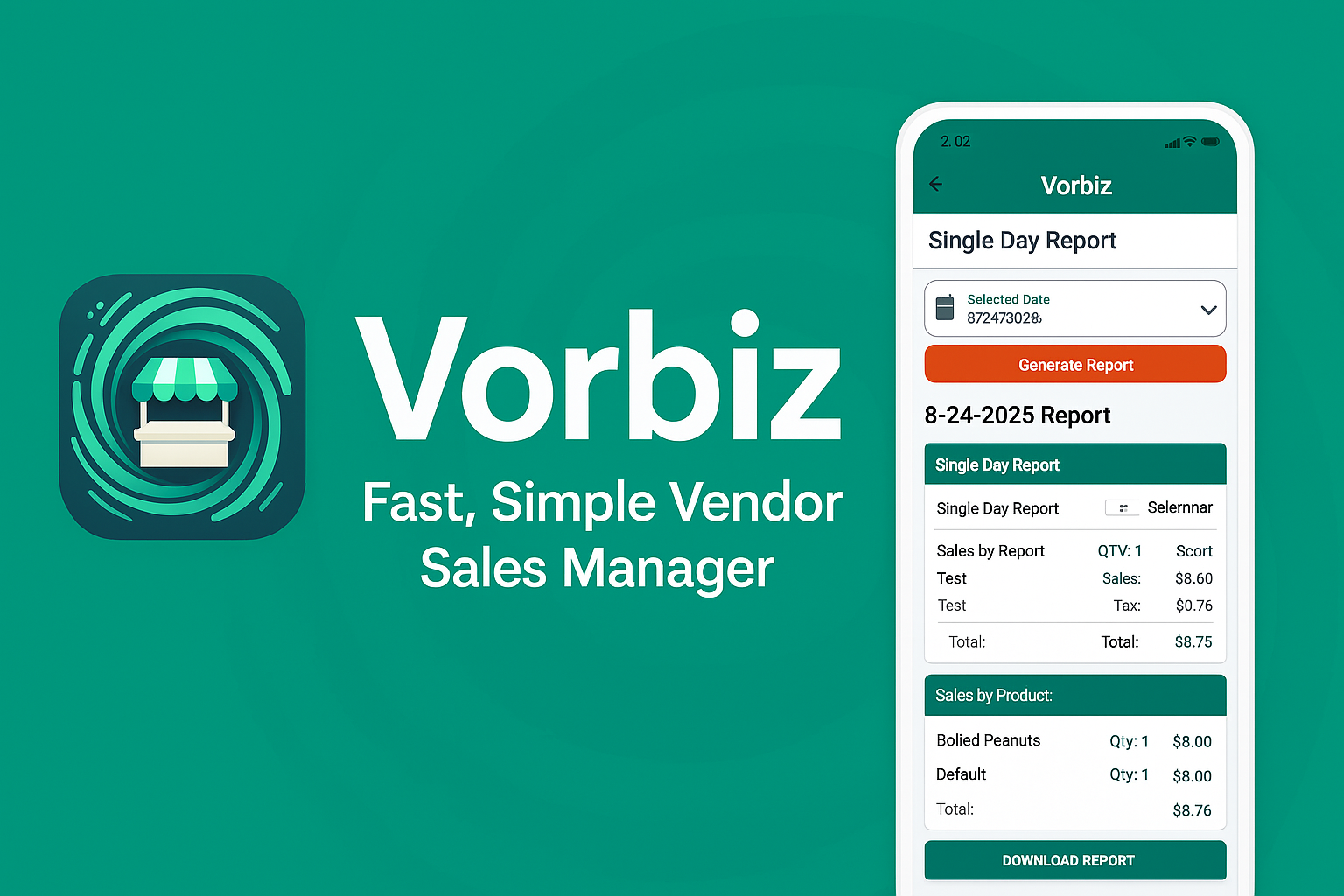
Finally, track these sales carefully. Label orders as “personalized” in your sales-tracking app to see how much extra revenue they bring in. This helps you refine your customization premiums over time and keep custom work profitable.
Stop Guessing. Start Growing.
Stop waiting until the end of the month to see if you made money. Get instant clarity on every sale, even without Wi-Fi.

