Is having a clearance or sale bin at your table a good idea?
A clearance bin can move slow inventory, but it can also cheapen the perception of your brand.
The Narrative
The Empathy
Some vendors stare at unsold stock and wonder if a clearance or sale bin could help. A well-managed sale section can turn stale items into cash and free space for new products. It also attracts bargain-hunting customers who enjoy digging for deals. But be aware of the trade-offs: a sale bin can cheapen the look of your booth or train shoppers to wait for markdowns on everything.
The Education
To use a clearance bin effectively, follow these guidelines:
- Use it sparingly. Limit the bin to a small portion of your inventory (around 10–15%) and only include true clearance items like out-of-season products or retired designs.
- Separate and label it. Keep the sale bin off to the side, clearly marked as “Clearance,” “Last Chance,” or “Final Sale.”
- Protect your bottom line. Even on sale, prices should not drop below your cost of materials and labor. Decide your lowest acceptable price in advance.
- Restock carefully. Replenish only when you have truly old inventory or when you’re bringing in new products so shoppers don’t expect constant discounts.
The Solution
Think of a clearance bin as an inventory-management tool rather than a primary sales strategy. Track its performance by tagging those sales separately (Vorbiz can do this) so you know whether the bin is actually helping. When done thoughtfully, a small, tidy clearance section can bring in extra dollars and move old stock without damaging your brand—just be sure it doesn’t overshadow your main display.
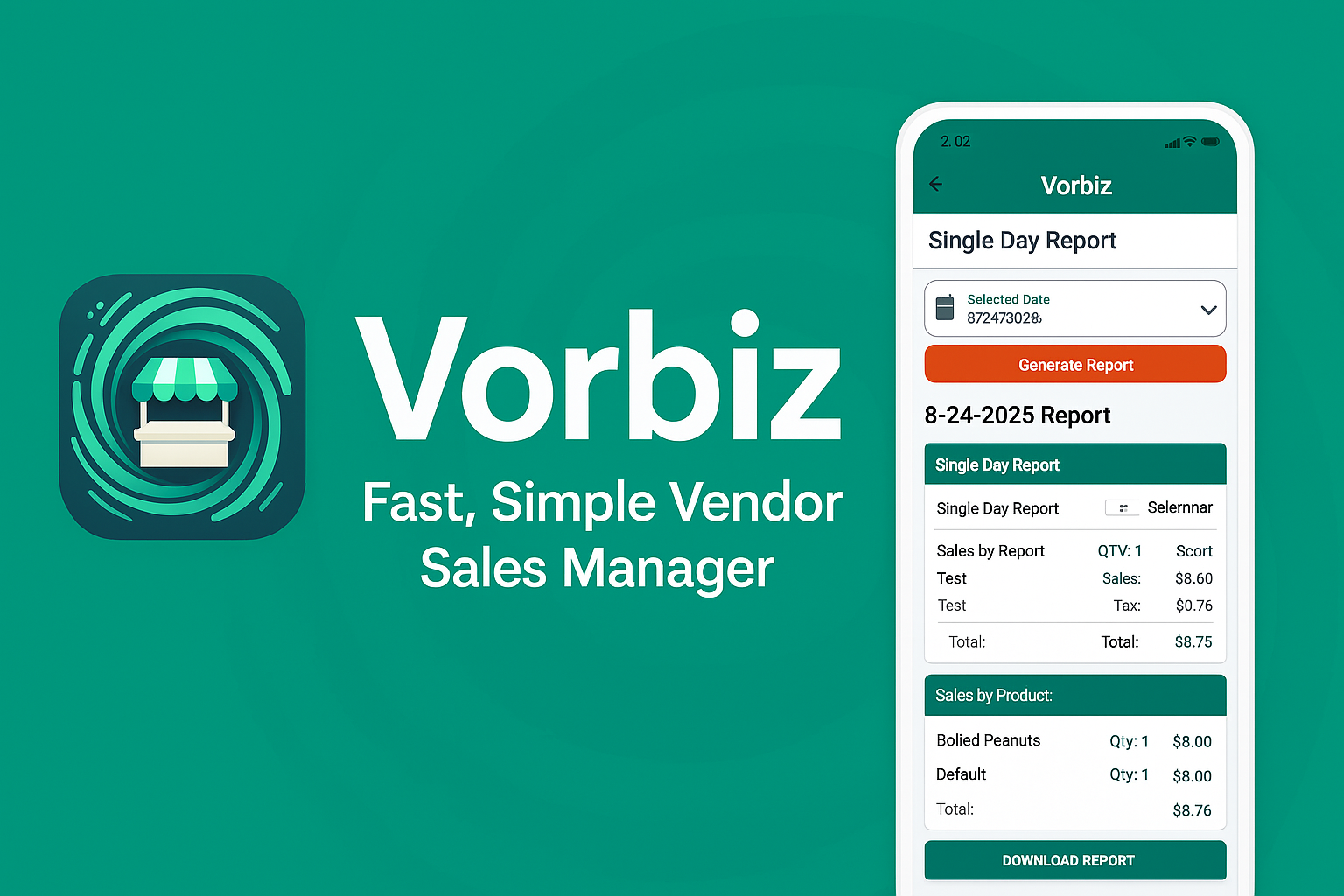
Stop Guessing. Start Growing.
Stop waiting until the end of the month to see if you made money. Get instant clarity on every sale, even without Wi-Fi.

