How long did it take for your venture to turn a profit?
Most market ventures reach consistent profit somewhere between six and twenty-four months, but the timeline shifts based on startup costs, margin, and how quickly inventory turns into repeat sales.
The Narrative (Left Column)
The Empathy
It's the second or third market of the season, and the question keeps popping up: "Am I actually making money yet?" The receipts are in a jar, the booth fee is on the calendar, and every new supply run feels like another hurdle. Some weekends feel great, other weekends are a wash, and you start wondering if this is normal or a sign you need to pivot. When the timeline to profit isn't clear, it's hard to know if you're building a business or just funding a hobby.
The Education
Time-to-profit is simply how long it takes to cover every startup dollar and each ongoing expense with net profit. In vendor businesses, the ranges are wide because the cost structure is wide:
- 3–6 months: Low-overhead ventures with small equipment needs, strong margins, and frequent markets.
- 6–18 months: Most vendors who are refining pricing, growing inventory, and building repeat traffic.
- 18–36 months: Higher-investment ventures (licensed food, wholesale inventory, or equipment-heavy setups).
The biggest drivers are startup costs, average gross margin per item, how many markets you attend, and how fast inventory sells through. Seasonality, booth fees, and production time also matter; if it takes ten hours to make what sells in one day, your profit clock moves slower. A simple break-even estimate helps: divide total startup costs by your average net profit per market to see how many events it takes to get to zero and beyond.
The Solution
Build a routine that tracks net profit per event and a rolling break-even balance. Each market, log sales, event fees, product costs, mileage, and hours worked. Then subtract the net profit from your startup total so you can see how many markets are left. With consistent tracking, you can raise prices on slow-moving items, prioritize high-margin products, and pick events that move you faster toward profit. The goal isn't a perfect forecast—it's a clear timeline you can actively shorten with smarter pricing, better inventory turns, and the right market mix.
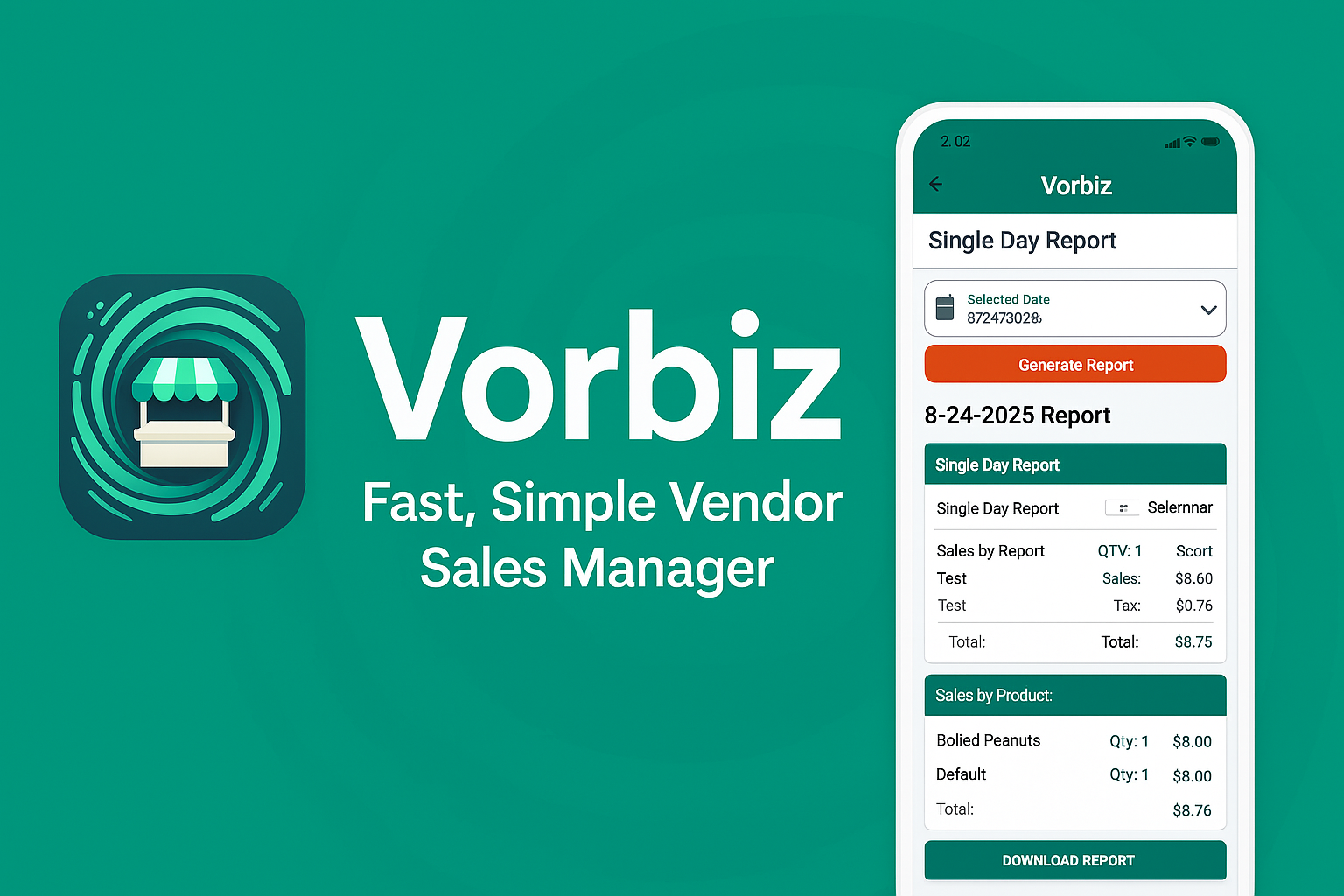
Stop Guessing. Start Growing.
Stop waiting until the end of the month to see if you made money. Get instant clarity on every sale, even without Wi-Fi.

