How much inventory should I bring to ensure maximum sales?
Maximum sales happen when you bring enough best-sellers to meet demand without overloading your booth with slow movers or tying up too much cash in excess stock.
The Narrative (Left Column)
The Empathy
You finally get into a busy market, but the question lingers: bring too little and you run out by noon, bring too much and you're hauling heavy bins home again. It's frustrating to watch shoppers ask for something you sold out of, then second-guess every event because the totals never feel predictable. When every show has a different crowd size, weather, and vibe, inventory prep can feel like a gamble.
The Education
Start with historical sales data and scale it to the event size. If a typical 200-person market yields 40 units sold, a 500-person event may realistically support 90 to 110 units once you factor in foot-traffic quality. Compare show types (weekday vs. weekend, indoor vs. outdoor), and track sell-through by category. A clear product mix helps: anchor best-sellers should cover 60 to 70 percent of your inventory, mid-tier items fill in 20 to 30 percent, and experimental products stay under 10 percent so you can test without risking too much.
The Solution
Build a simple inventory plan worksheet for each event: estimate foot traffic, set a sales goal, then map that goal into unit targets by product tier. Pair that with a backstock threshold for best-sellers so you always have a refill plan. With consistent tracking, you can spot trends like "small markets sell twice as many low-price items" or "festival weekends spike premium bundles," and adjust your mix with confidence. The goal isn't to bring everything—it's to bring the right amount of what sells.
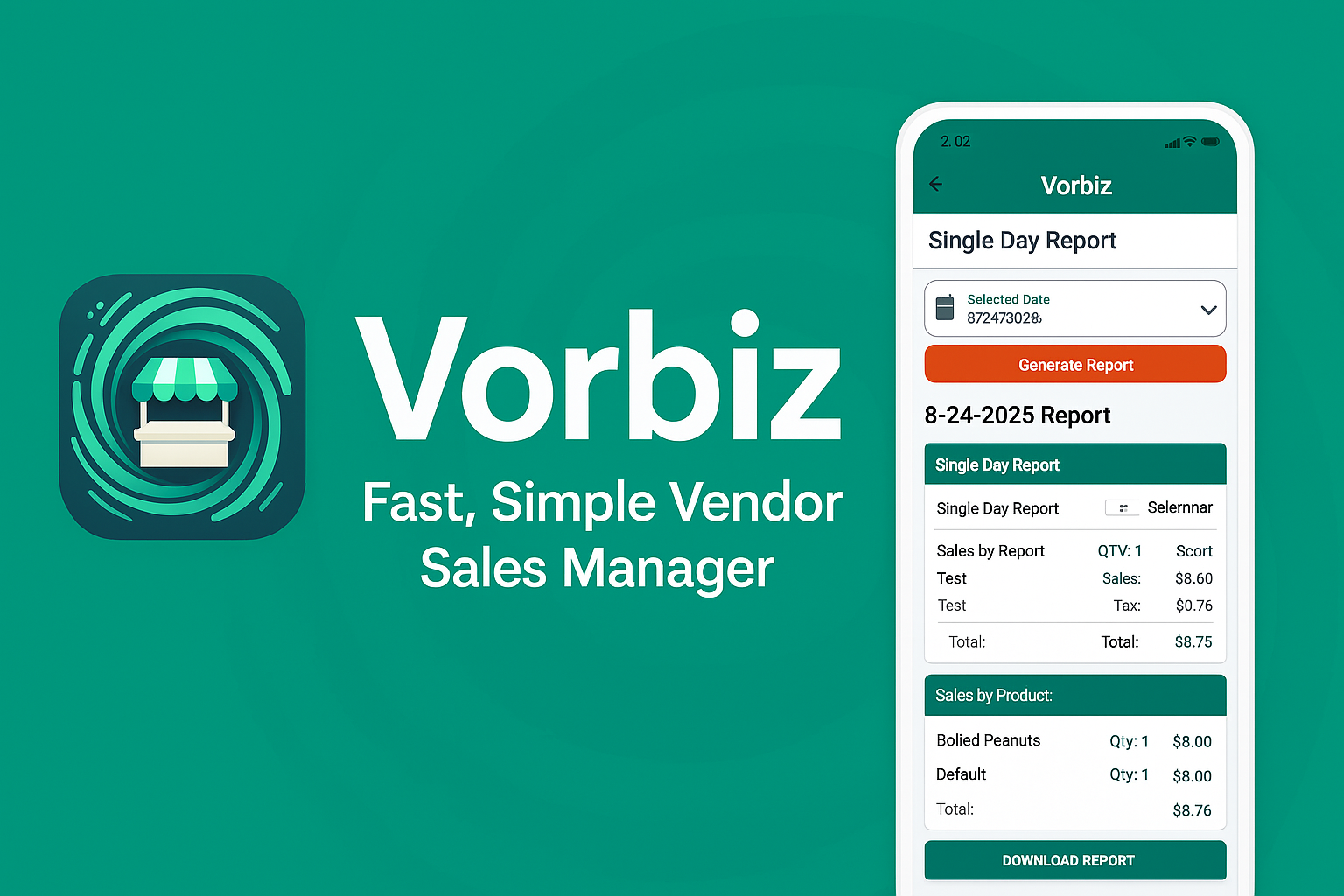
Stop Guessing. Start Growing.
Stop waiting until the end of the month to see if you made money. Get instant clarity on every sale, even without Wi-Fi.

