Would expanding to more or larger events increase profit?
Growth only helps when the extra booth fees, travel, staffing, and inventory costs still leave you with more profit per hour than your current schedule.
The Narrative (Left Column)
The Empathy
It's tempting to look at a packed calendar and assume more markets equals more money. Then you run a second weekend in a row, the prep list doubles, and the inventory table starts to look thin by midday. Bigger shows come with higher booth fees, longer drives, and the pressure to look fully stocked. You're working harder, yet you're not sure if the extra events are actually paying off or just eating your energy and cash flow.
The Education
Scaling has tradeoffs: every added event brings incremental revenue and incremental costs. Measure a new show by net profit per hour, not just total sales. Include fixed costs like registration deposits, signage, and display upgrades, plus variable costs like materials, card fees, packaging, mileage, and any help you pay. Capacity matters too: if your production time or inventory limits force you to rush or restock mid-season, the profit from extra events can shrink quickly. A large event can be worth it only if your average order size and throughput can outpace the higher overhead.
The Solution
Build a scaling checklist: set a minimum net target for each event, a maximum number of hours you can work, and a realistic inventory ceiling based on your production capacity. Track each show's sales, costs, hours, and leftover stock so you can compare a large event against two smaller ones. If the bigger show delivers more profit per hour without stretching inventory or requiring debt-heavy restocks, it's a green light. If not, the data will tell you to focus on fewer, higher-quality events or increase capacity before you expand.
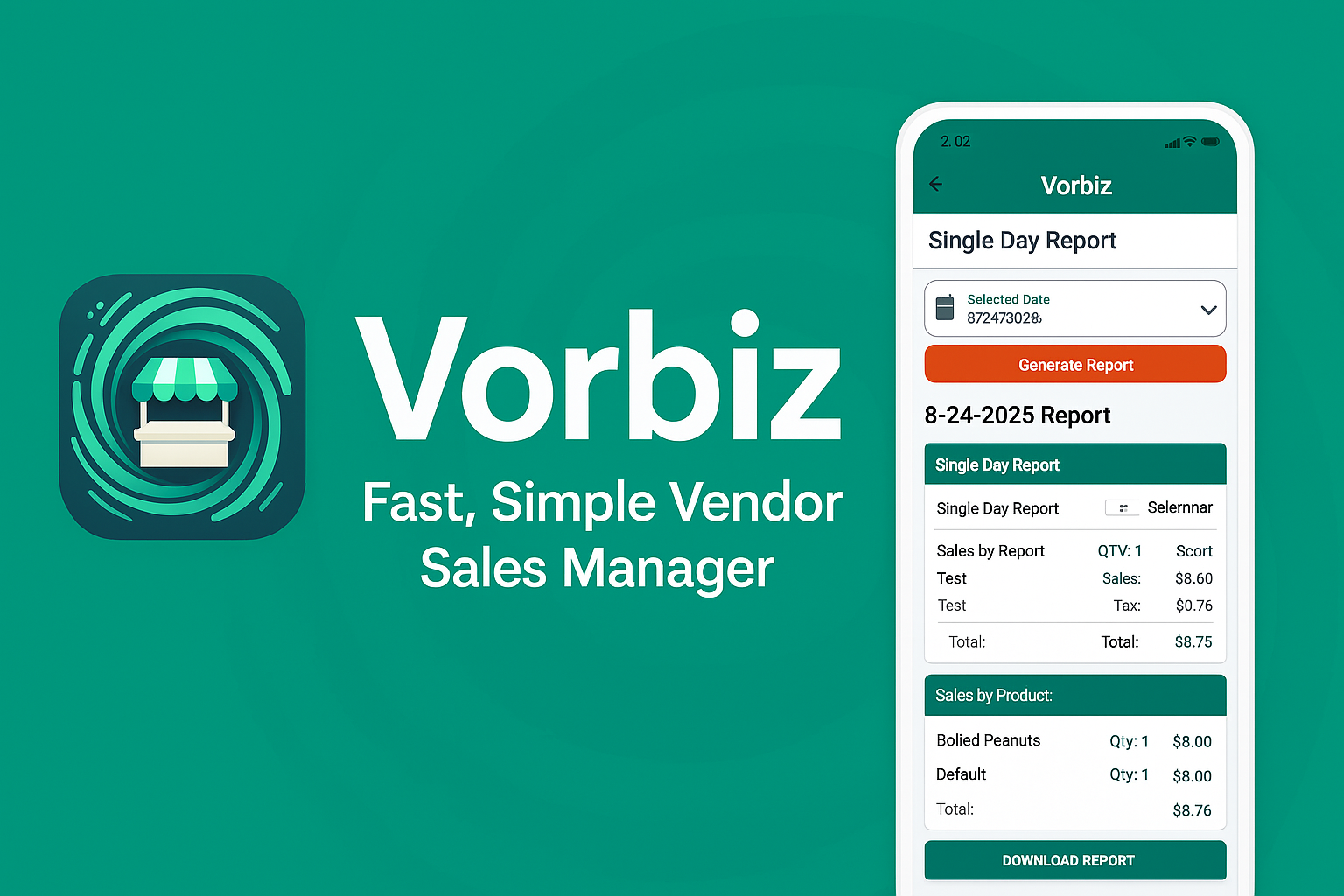
Stop Guessing. Start Growing.
Stop waiting until the end of the month to see if you made money. Get instant clarity on every sale, even without Wi-Fi.

