Hobby vs business: how are craft fair sellers taxed?
The IRS looks at profit intent and business-like behavior, which affects deductions and reporting.
The Narrative
The Empathy
You love making items but also want to sell them. The hobby vs. business distinction feels fuzzy and you worry about filing incorrectly.
The Education
The IRS considers factors like profit history, record-keeping, and time spent. Businesses can deduct ordinary and necessary expenses against income, while hobby income is typically reported without the same deductions. Showing consistent effort to earn a profit helps support a business classification.
The Solution
Keep detailed records, separate business finances, and track profitability. If you are unsure, consult a tax professional to classify your activity correctly. The more business-like your approach, the clearer the tax treatment becomes.
Can you make good money selling crafts?
Many sellers start as a hobby and grow into a real business. The difference is less about how much fun you have and more about whether you are actively trying to earn a profit and running things like a business.
- Track profit per event to show consistent intent to earn.
- Separate finances and keep inventory and expense records.
- Set goals and reinvest in the business over time.
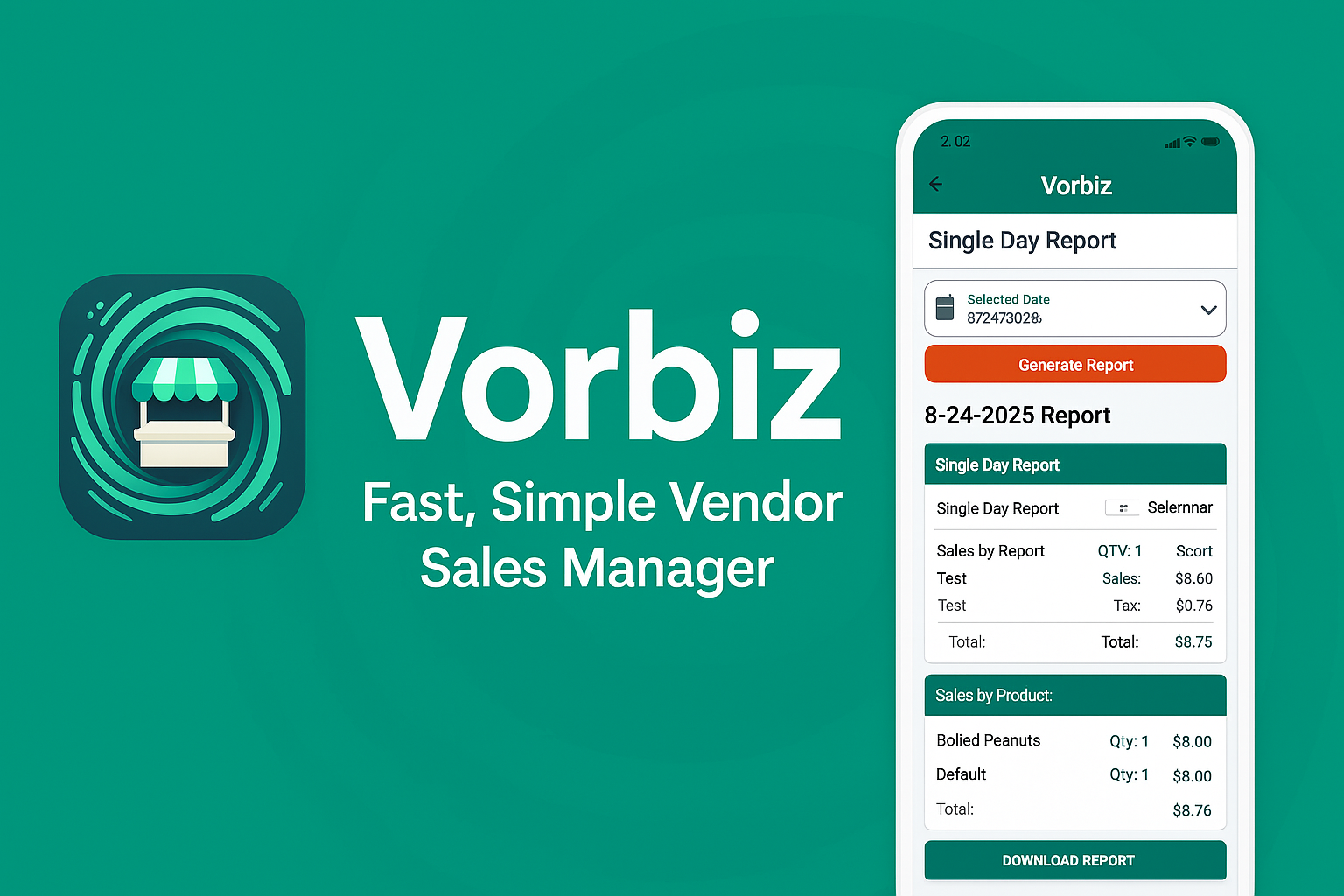
Stop Guessing. Start Growing.
Stop waiting until the end of the month to see if you made money. Get instant clarity on every sale, even without Wi-Fi.

