What’s the difference between profit and cash flow for craft vendors?
Profit can look fine while cash is low—cash flow tracks when money actually moves.
It’s possible to show a profit on paper and still feel short on cash. Profit is what remains after costs; cash flow is about when money moves. You can “make” a sale today but not see the deposit until days later, or spend $100 on supplies now and feel the cash dip immediately.
Track cash regularly
Note starting and ending cash each event, including expected card deposits. Example: start a fair with $300, end with $500 cash plus a $200 card deposit coming next week = $700 total.
Watch where cash goes
Log every materials purchase so you see when cash is tied up. Upfront supply buys or booth fees hit cash immediately even if profit looks fine.
Build a reserve
Move a portion of strong sales into savings—aim for about one month of operating costs. This buffer covers slow seasons or surprise expenses without panic.
Use simple tools
A spreadsheet or sales app works. Tag sales and purchases so you can export cash balances and profit after every market.
Measure margin
Net profit margin = net profit ÷ total sales. Compare margins across shows and even profit per hour. For example, $500 sales with $400 costs = $100 profit, a 20% margin ($20/hour if you worked 5 hours). Tracking both cash timing and profit keeps bills paid, inventory stocked, and stress low.
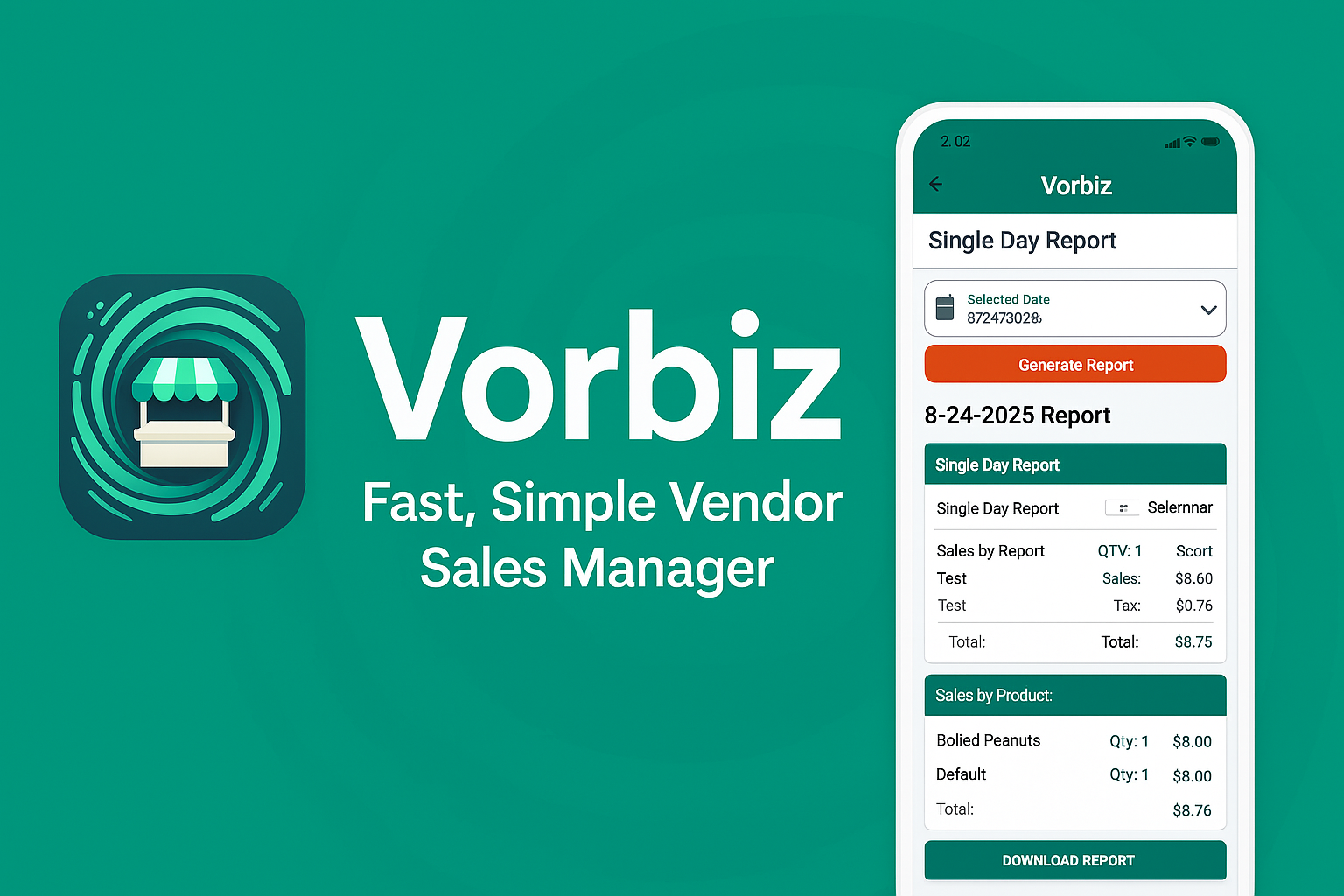
Stop Guessing. Start Growing.
Stop waiting until the end of the month to see if you made money. Get instant clarity on every sale, even without Wi-Fi.

