Is it better to use round numbers for prices?
Round numbers make checkout fast, but psychological prices can signal value—use each when it supports your sales flow and brand.
The Narrative
The Empathy
When it comes to pricing at craft fairs, vendors often wonder whether to use round numbers (like $10 or $20) or “charm pricing” (like $9.99 or $19.95). Round prices keep transactions fast and simple. Psychological prices can make an item look like a bargain. Both approaches have pros and cons, so many vendors use a mix of both.
The Education
Fast checkout (round pricing): Round numbers make math easy and keep lines moving quickly.
Clean look (round pricing): $5, $15, $50 look neat and uncluttered on tags.
Deal signal (.99 pricing): Endings like $9.99 signal a bargain and feel like “under ten dollars.”
Familiarity (.99 pricing): Shoppers are used to those endings, which can encourage purchase.
Considerations: charm pricing means handling more coins and odd totals, which can slow checkout. Round prices speed things up but may miss a psychological boost. Many vendors balance the two.
The Solution
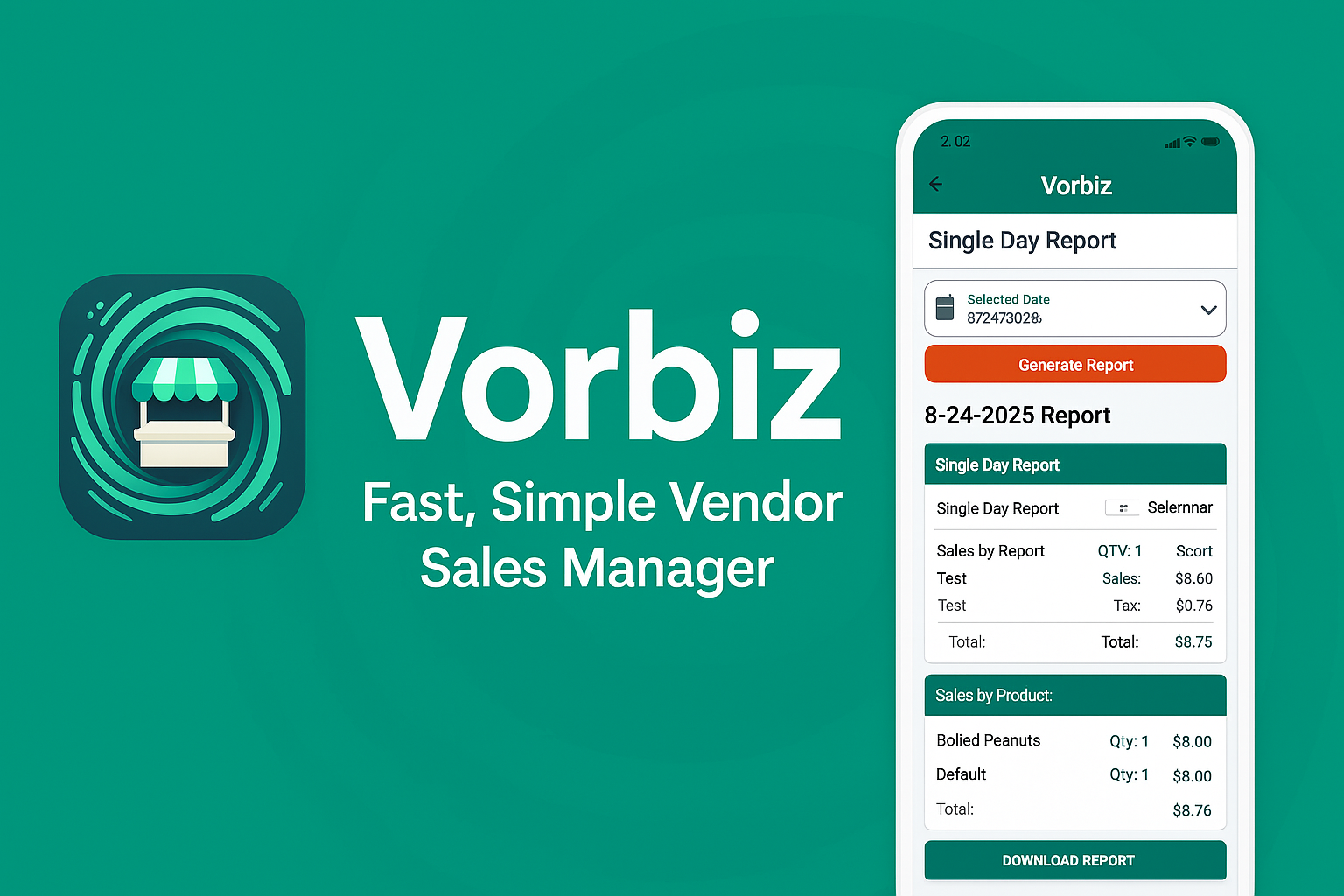
Use round numbers on fast-moving or low-cost items to keep checkout smooth. Try .99 or .95 on select higher- ticket items to test whether they sell more. Track results in your sales tool (like Vorbiz) to see which style converts better. Adjust based on data and your booth’s flow, not guesswork.
Stop Guessing. Start Growing.
Stop waiting until the end of the month to see if you made money. Get instant clarity on every sale, even without Wi-Fi.

