Is X too much or too little to charge for my product?
When you validate pricing against the market, your costs, and the value you deliver, the number stops feeling like a guess.
The Narrative (Left Column)
The Empathy
You've made something you're proud of, but the price tag still feels like a gamble. Charge too much and you worry shoppers will walk past. Charge too little and you know you're undercutting your own time. It's easy to compare yourself to the booth next door or the online shop with different costs, and suddenly you're second- guessing every sticker you place.
The Education
Validation takes the emotion out of the decision by using three checks. First, compare your product to market comps: scan similar items at your market, local boutiques, and online listings to see the typical price range and positioning. Next, calculate a cost-based floor by adding materials, labor, and overhead so you know the minimum price that keeps you profitable. Finally, test value-based pricing by listing the unique benefits you provide (customization, durability, gifting appeal) and confirming customers recognize and pay for that extra value. If your price lands within the comp range, stays above the cost floor, and matches the value story, it's likely in the right zone.
The Solution
Store your comps, costs, and value notes in one place so pricing becomes a repeatable routine instead of a last-minute debate. With a simple system, you can refresh comp checks seasonally, update your cost floor when supplies change, and track which value cues lead to faster sales. That evidence gives you confidence to raise, lower, or hold your price based on data instead of gut feelings.
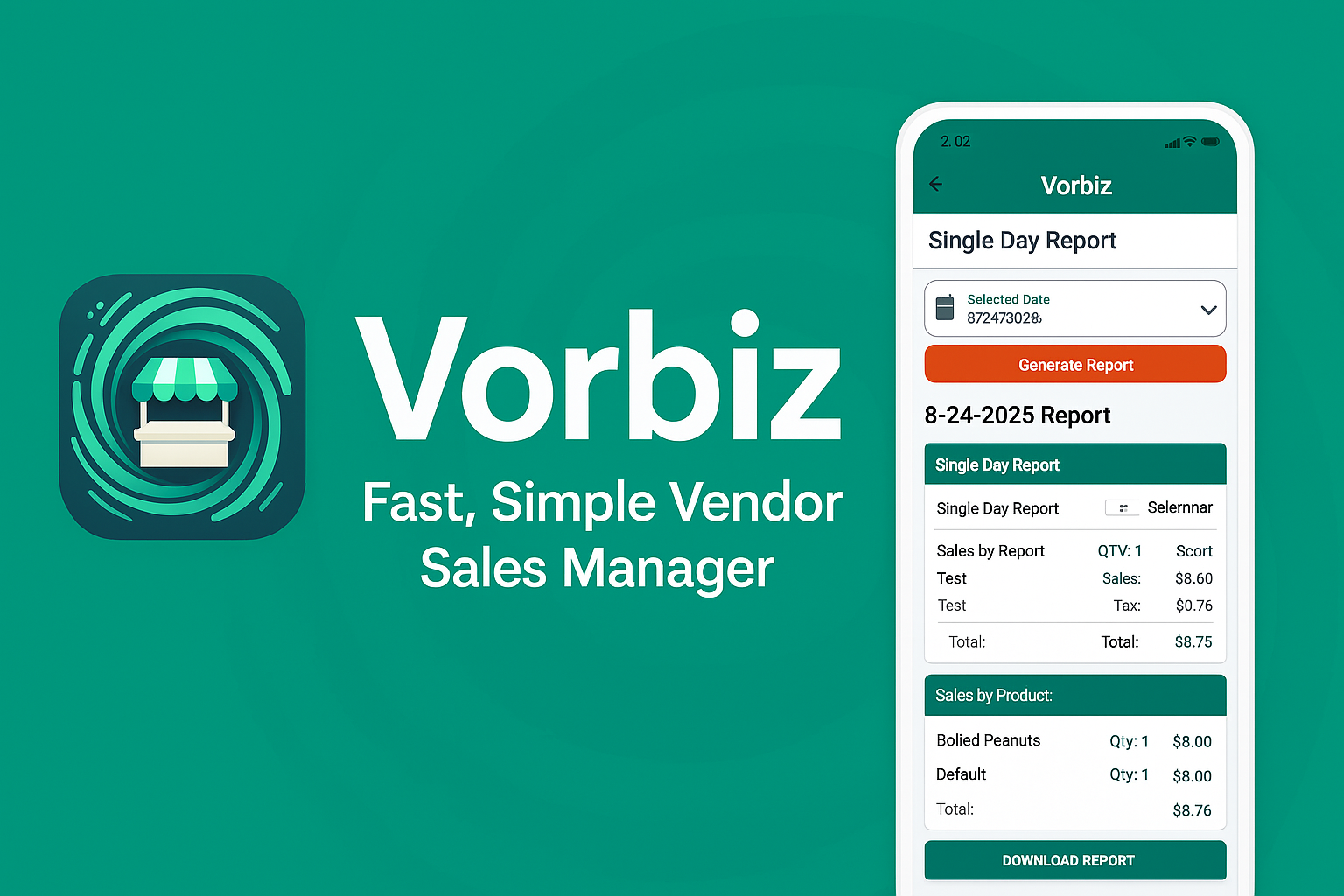
Stop Guessing. Start Growing.
Stop waiting until the end of the month to see if you made money. Get instant clarity on every sale, even without Wi-Fi.

