Lots of people browse but don't buy—could prices be the problem?
If traffic is strong but conversions are low, pricing may be part of the story, but not the only one.
The Narrative
The Empathy
You see plenty of people stop, pick up items, and comment on how lovely they are. Then they drift away without buying. It's tempting to assume the prices are too high, but you're not sure if it's the numbers, the story, or something about the display that's getting in the way.
The Education
Start with diagnostics. First, check your price mix: do you have entry-level items that make it easy to say yes? If every option is premium, shoppers may admire but hesitate. Next, review signage and clarity—if prices are hard to find, buyers often walk away. Finally, look at the value story: do customers understand the materials, time, or uniqueness behind the price? A simple sign like "Each piece takes 3 hours to stitch" can change perception fast. Prices may be right, but the context may be missing.
The Solution
Create a three-tier mix: an entry item, a mid-tier bestseller, and a premium showcase. Add visible price tags on every item or shelf section. Pair each tier with a one-sentence value cue so shoppers understand the why. If conversion stays low, test a small pricing adjustment on one tier for a single market, and track whether the change improves sales or just shrinks margin. When you diagnose with data, you can decide whether it's pricing or presentation that needs the fix.
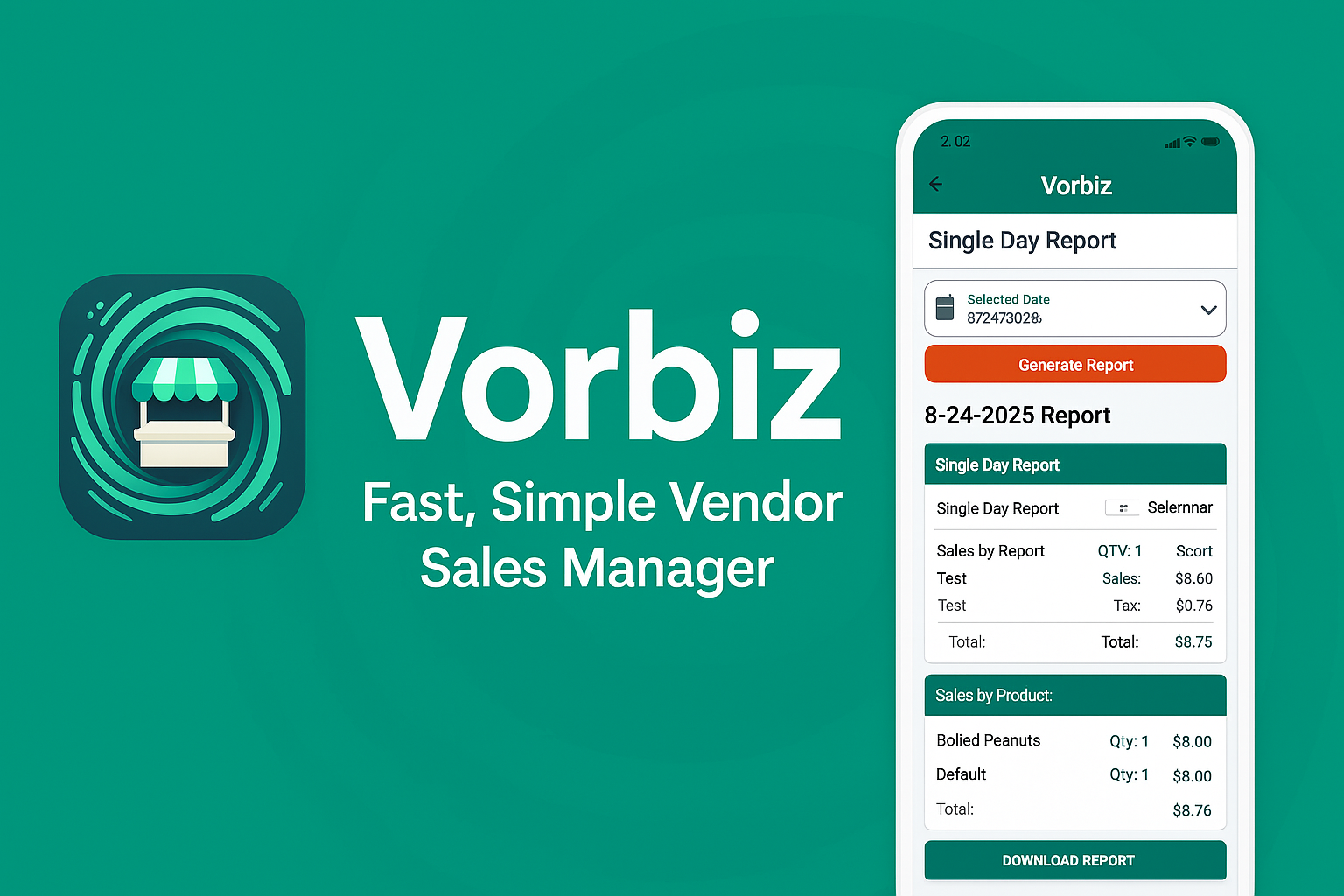
Stop Guessing. Start Growing.
Stop waiting until the end of the month to see if you made money. Get instant clarity on every sale, even without Wi-Fi.

