Should I ever lower prices during a slow show?
Lowering prices can move inventory fast, but it can also chip away at the profit you need to stay in business.
The Narrative
The Empathy
The foot traffic is thin, the first hour is quiet, and you can feel the pressure rise with every glance at the cash box. You start doing the math in your head: booth fee, supplies, gas, and a full day of labor. Dropping prices feels like the fastest way to spark momentum and prove the day wasn't a loss. It's a normal reaction because no one wants to load their car at the end of the day with the same inventory they unpacked.
The Education
A price cut can help in one specific case: it turns slow-moving inventory into cash you can reinvest. The benefit is immediate liquidity and the chance to win new customers who might return at full price. The risks are just as real. Consistent discounts train shoppers to wait for deals, and a rush to slash prices can push your margin below the cost of materials, labor, and fees. The key is to know your floor price before the show starts, so you never discount below a number that still pays you for your time.
The Solution
Instead of blanket discounts, use alternative tactics that protect your margin. Bundle slow movers with best sellers, offer a small "thank you" upgrade (like a sample, gift wrap, or bonus accessory), or create a time-limited deal that doesn't reset your list price. You can also spotlight higher-value items with a simple display refresh, run a quick demo, or adjust your pitch to highlight the story behind the work. If you do lower prices, make it a deliberate, pre-planned choice for specific items and track the results so you learn whether the cash flow gain outweighs the margin loss.
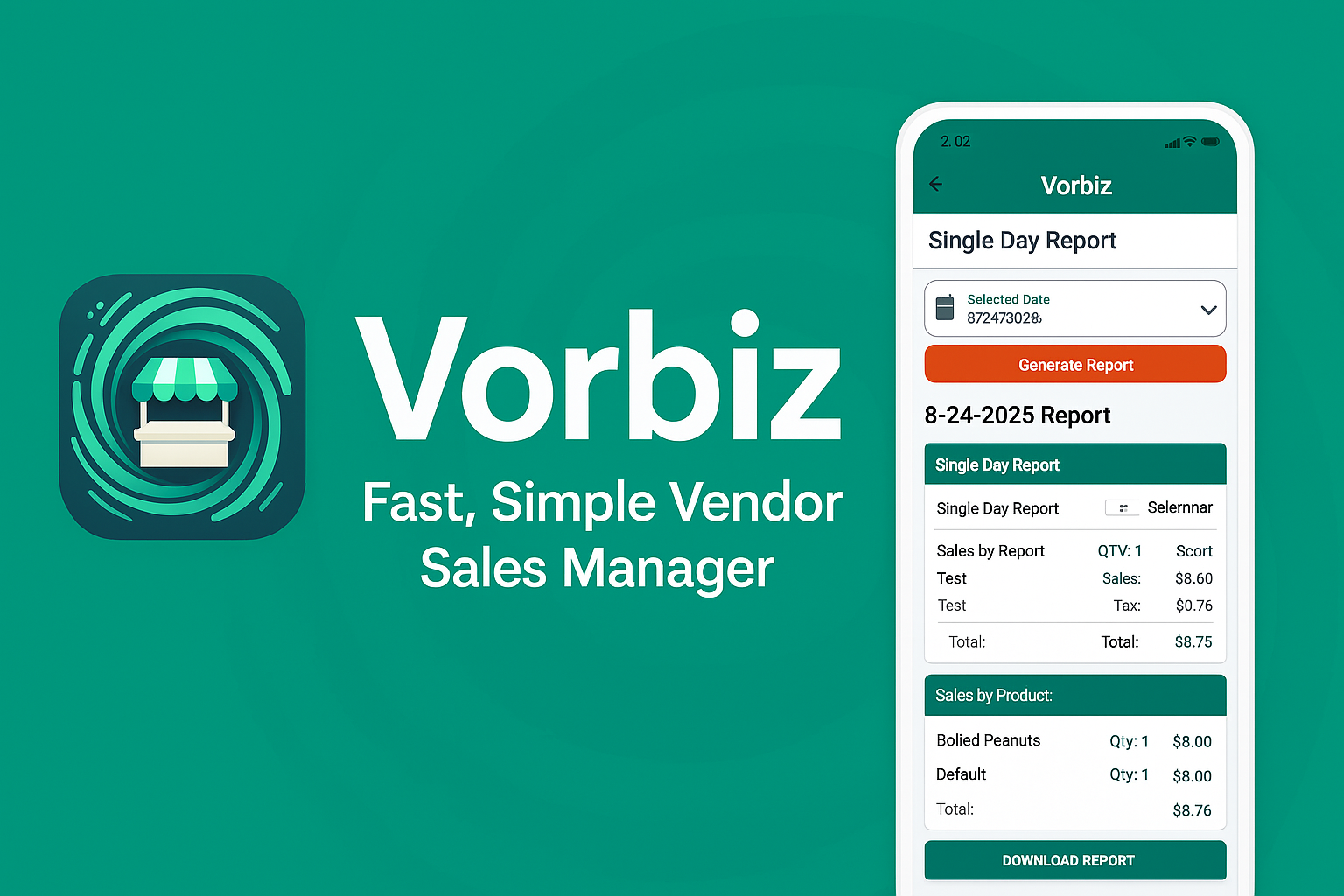
Stop Guessing. Start Growing.
Stop waiting until the end of the month to see if you made money. Get instant clarity on every sale, even without Wi-Fi.

