Should I offer a discount for multiple items?
Bundles can lift your average sale, but only if the discount still protects your margin.
The Narrative
The Empathy
You're at the booth and a shopper says, "If I buy three, can you do a deal?" You want to say yes because you know bundles can move inventory fast and make customers feel valued. At the same time, you worry about giving away too much, especially when your materials, time, and booth fees already feel tight. That split-second decision can feel like a gamble instead of a strategy.
The Education
Bundle pricing has real pros: it raises the average order size, helps you sell slower items, and simplifies a busy checkout line. The downside is margin erosion. If your single-item margin is 40%, a 15% bundle discount might cut your profit nearly in half once you add card fees and packaging. The safe way to test bundles is to calculate the bundle margin directly: (bundle price − total cost) ÷ bundle price. If that result still hits your minimum margin target, the discount is working for you. If it doesn't, the bundle is helping sales but hurting profit.
The Solution
Set a pricing floor before the market starts. Track each item's true cost and your target margin, then build bundle tiers (like 2 for $X or 3 for $Y) that stay above that floor. You can keep the discount smaller on your top sellers and offer deeper deals only on items with higher margins or excess stock. A simple pricing system makes it easy to compare bundle performance, spot when discounts are cutting too deep, and keep your revenue growing without sacrificing profitability.
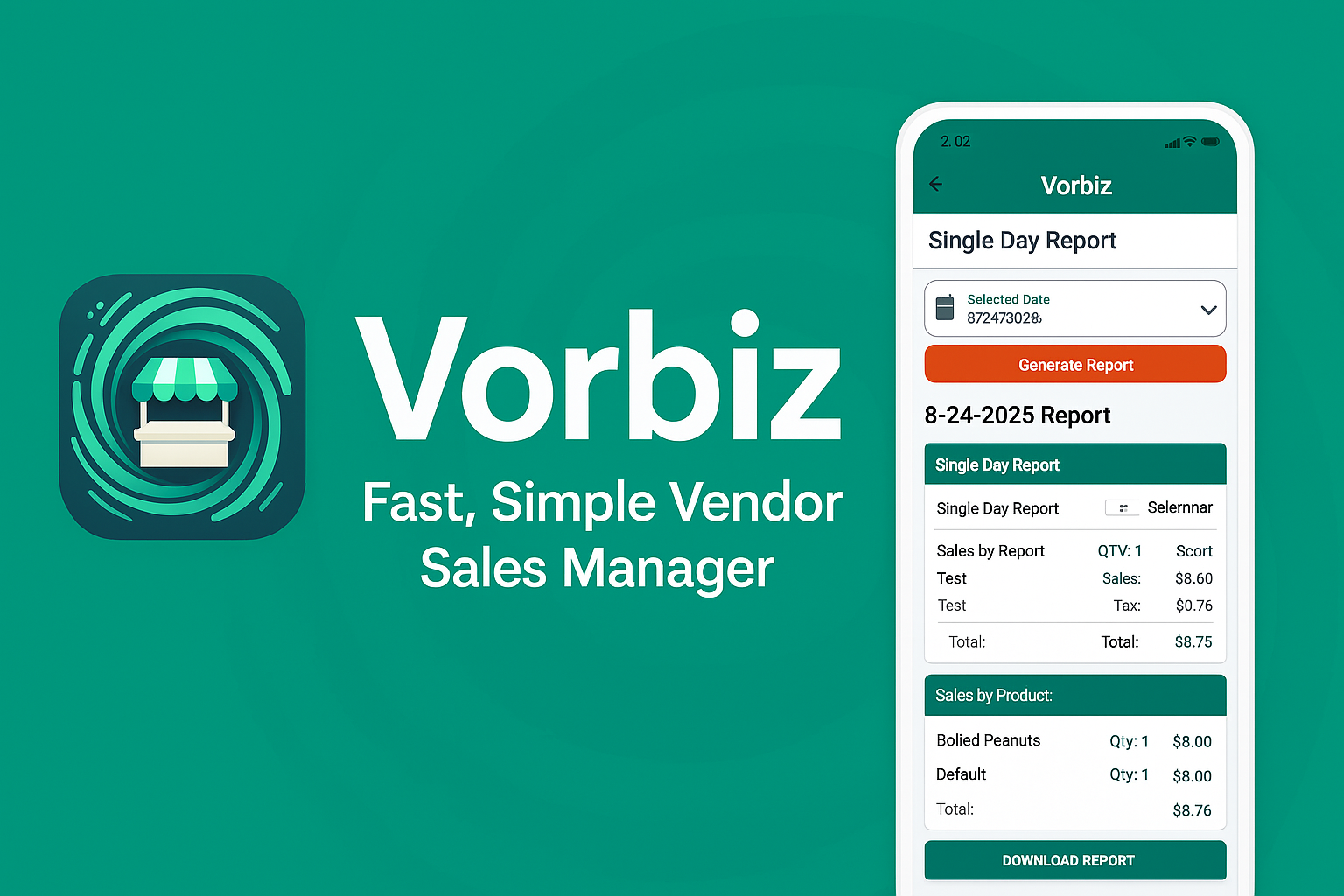
Stop Guessing. Start Growing.
Stop waiting until the end of the month to see if you made money. Get instant clarity on every sale, even without Wi-Fi.

