Should I set prices ending in .99 or .50, or use round numbers?
Price endings can nudge perception, but round numbers often make checkout smoother at markets.
The Narrative
The Empathy
You've seen the .99 pricing everywhere, but you're not sure it fits your handmade brand. You also know that messy numbers slow down change-making and can lead to awkward checkout pauses, especially when it's busy.
The Education
Psychological endings like .99 can signal "deal" or "value," while .50 can feel more intentional and still avoid large coins. Round numbers signal simplicity, confidence, and premium positioning. In a market booth, the operational cost matters: faster checkout, fewer mistakes, and easier mental math for you and your customers. The best choice depends on your brand and volume. If your goal is high perceived value and quick transactions, round numbers are often best. If you sell high volume at lower price points, .50 or .99 endings can help keep shoppers feeling like they're getting a deal.
The Solution
Pick one pricing style and use it consistently across your table. For premium work, round to the nearest $5 or $10. For value-forward lines, use .50 endings to signal a deal while keeping change manageable. Test one market with each approach and compare average order value and checkout speed. Consistency will matter more than the exact ending once customers see a clear, confident price structure.
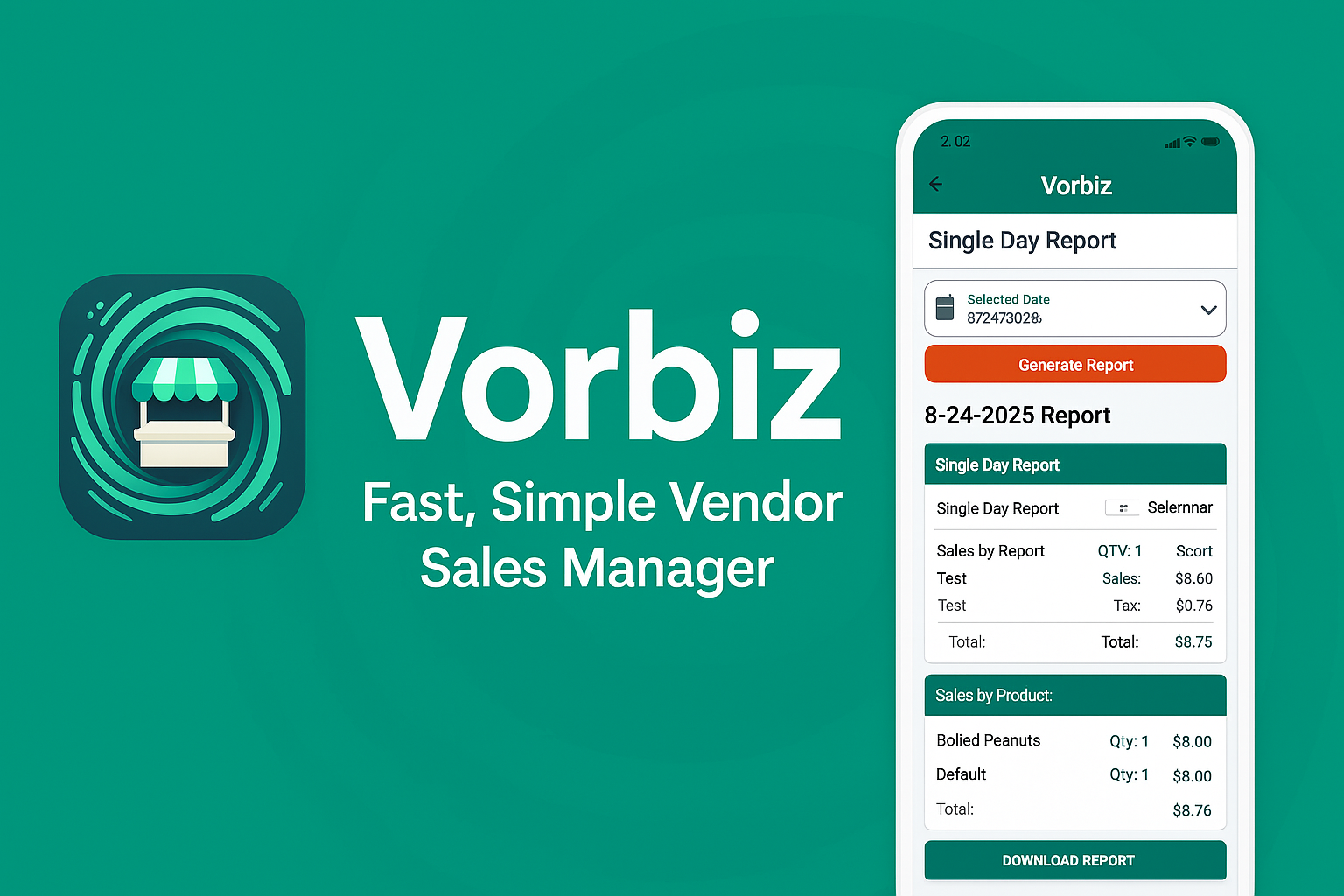
Stop Guessing. Start Growing.
Stop waiting until the end of the month to see if you made money. Get instant clarity on every sale, even without Wi-Fi.

