What do I do if I realize I underpriced an item after it sold out immediately?
A fast sellout is a demand signal—adjust prices thoughtfully and communicate the change clearly.
The Narrative
The Empathy
You sold out quickly and felt thrilled—until you realized you likely priced too low. Now you are stuck between wanting to raise the price and not wanting to disappoint customers who saw the original tag.
The Education
A sellout means demand exceeded supply at your current price. The responsible move is a measured increase, not a sudden spike. Many vendors raise by 5–15% for the next batch, especially if restocking takes time. You can frame the change around limited capacity, rising costs, or improved materials. Avoid retroactive changes—honor the price for those who already purchased and apply new pricing to the next run.
The Solution
Set a rule for sellout adjustments: if you sell out in the first half of two consecutive events, raise the price slightly for the next batch. Update signage and mention the reason in a positive way, like "new batch, updated materials" or "limited run." This keeps your pricing fair, transparent, and aligned with demand.
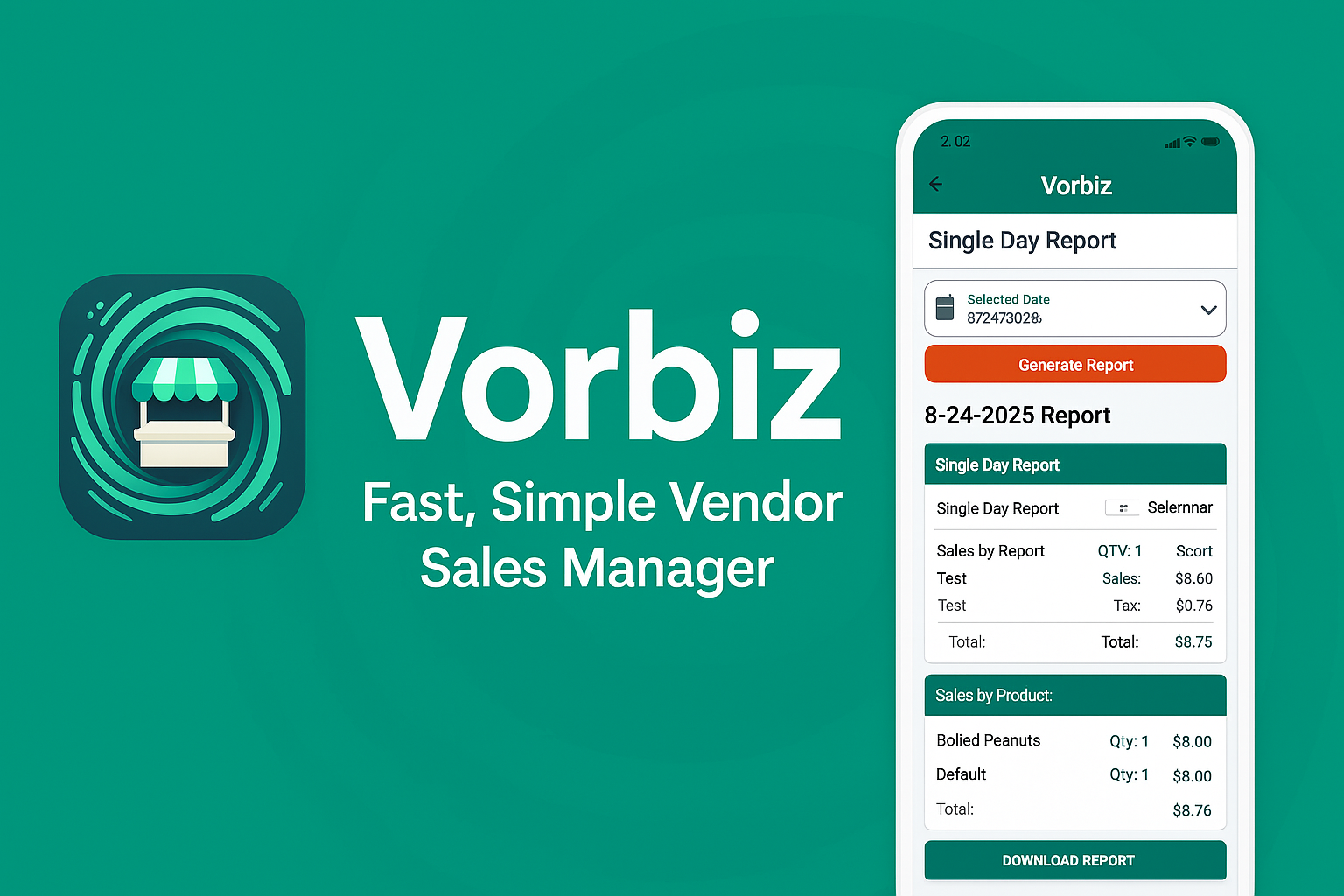
Stop Guessing. Start Growing.
Stop waiting until the end of the month to see if you made money. Get instant clarity on every sale, even without Wi-Fi.

