What formula should I use to set prices?
Pricing feels personal, but a simple formula keeps your prices grounded in costs, time, and the profit you deserve.
The Narrative
The Empathy
You pour your time into every batch, but when it's time to set a price tag, it's easy to second-guess every number. You don't want to scare off shoppers, but you also don't want to walk away with a sell-out day that barely covers your supplies. That push and pull makes pricing feel like guesswork instead of a confident decision.
The Education
Use a simple formula so your prices pay you for time, cover overhead, and still leave room for profit.
- Materials: add up the cost of supplies used in one item.
- Labor: minutes to make the item ÷ 60 × your hourly rate.
- Overhead: per-item share of fees, packaging, and tools.
- Profit margin: choose a % that keeps the business growing.
Example math:
- Materials: $6.00
- Labor: 45 minutes ÷ 60 × $20/hr = $15.00
- Overhead: $2.00
- Subtotal: $6 + $15 + $2 = $23.00
- Profit margin: 30% → $23 × 0.30 = $6.90
- Price: $23 + $6.90 = $29.90 → round to $30
The Solution
Store each item's cost and time in one place so the formula runs fast. When you can update material prices, adjust your hourly rate, or tweak profit margin in a system, you stay consistent across products and avoid underpricing new releases. That consistency builds confidence with customers and protects your paycheck.
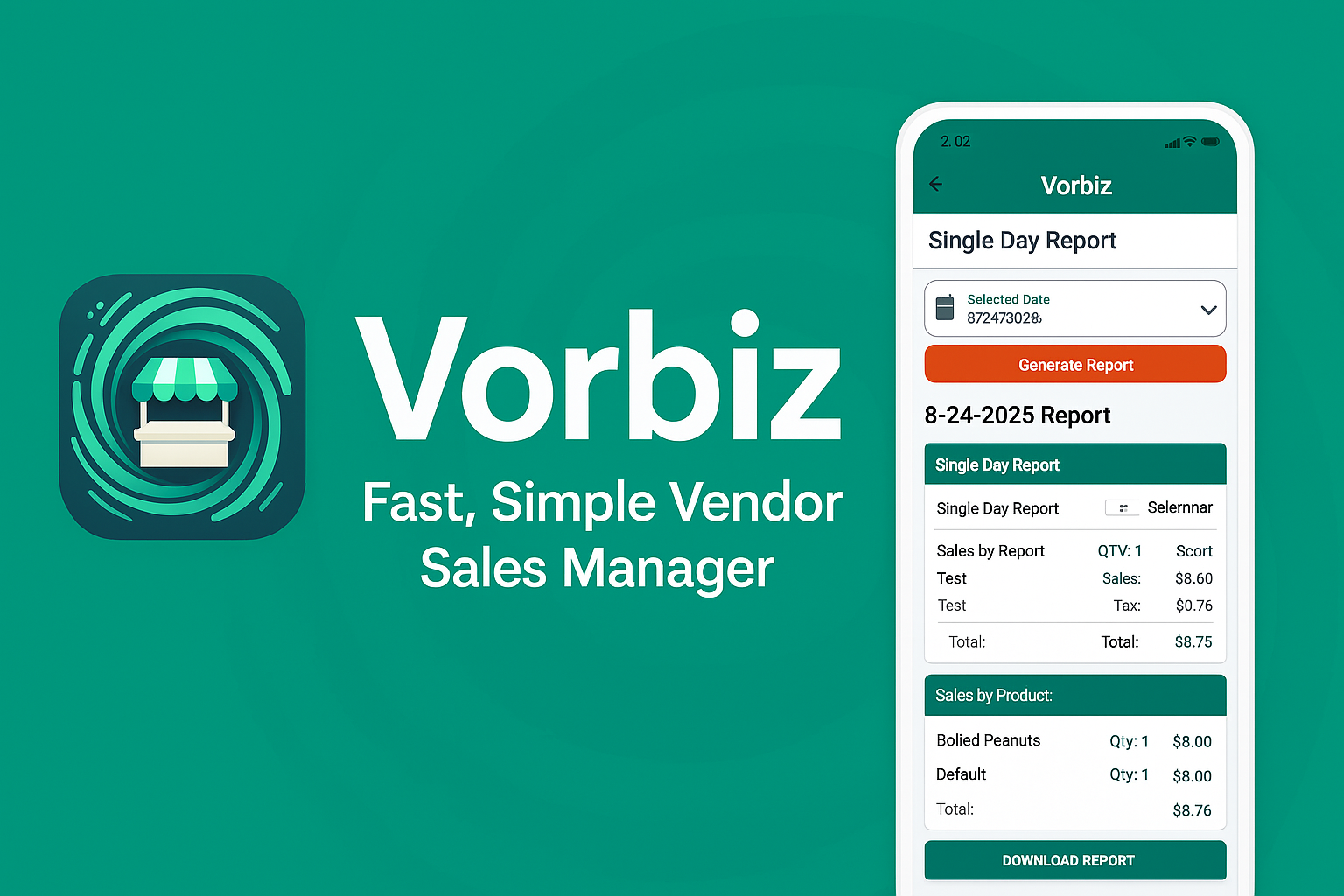
Stop Guessing. Start Growing.
Stop waiting until the end of the month to see if you made money. Get instant clarity on every sale, even without Wi-Fi.

