Do you set a specific sales profit goal for each fair?
Clear profit targets turn a busy market day into a measurable win instead of a gut feeling.
The Narrative (Left Column)
The Empathy
After teardown, it's easy to ask, "Was that fair actually worth it?" You remember the rush, the friendly shoppers, and the pile of sales slips, but by the time you subtract the booth fee, card processing, and gas, the answer feels hazy. One fair feels busy but barely covers costs, another feels slow but surprisingly solid. Without a clear profit goal, every event starts to feel like a gamble, and you can't tell if your work is paying off or just keeping you busy.
The Education
A helpful goal-setting method is to build your target backward. Start with the profit you want to take home, then add fixed event costs (booth fee, travel, lodging), expected variable costs (packaging, payment fees), and the cost of goods sold. That total is your minimum sales goal. You can refine it by setting a stretch goal, such as 15-25% above break-even, or by using a per-hour target: total profit divided by hours worked. When you track both sales and net profit per fair, you can quickly compare events and see which ones move the business forward.
The Solution
A simple tracking routine makes the goal real. Before the fair, log your target sales and target profit in a note or spreadsheet next to the event name. During the fair, track sales by hour so you can see if you're on pace. After the fair, record actual sales, event costs, and profit side by side with the goal. Over time, that history lets you spot patterns by season, location, or product mix and set sharper goals for the next event. With consistent tracking, you'll know exactly which fairs hit your profit target and which ones need a new strategy.
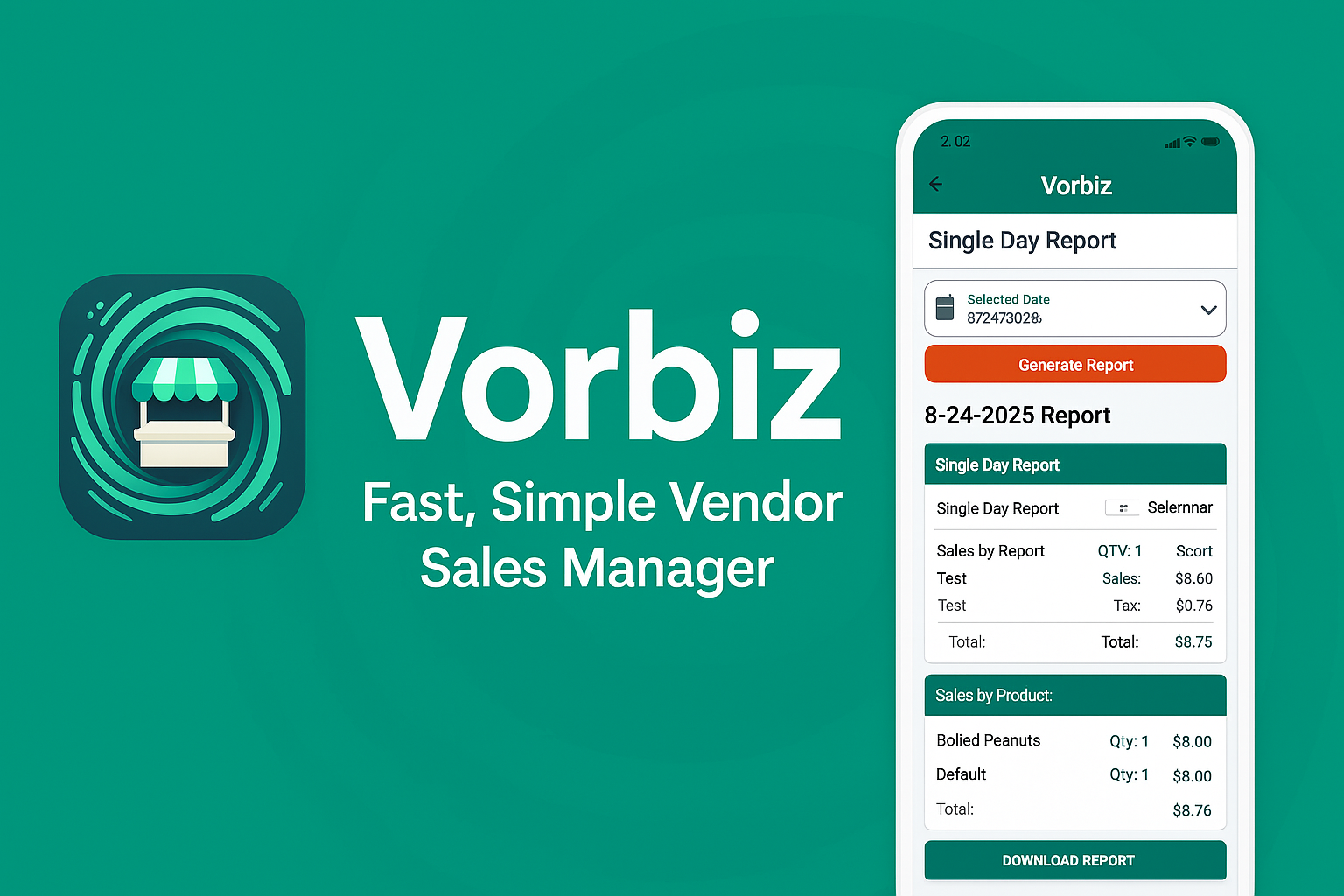
Stop Guessing. Start Growing.
Stop waiting until the end of the month to see if you made money. Get instant clarity on every sale, even without Wi-Fi.

