Do your earnings fluctuate seasonally or remain steady?
Your best month isn't a mystery—it's a pattern you can map, forecast, and plan around.
The Narrative (Left Column)
The Empathy
One month the booth feels electric: warm weather, steady foot traffic, and customers buying multiple items. The next month is slower and you start questioning every decision. If you're not tracking the seasons, it can feel like the business is unpredictable—when the reality is that most markets have natural peaks and valleys. Recognizing those rhythms takes the pressure off and replaces guesswork with a plan.
The Education
Seasonality shows up when you compare total earnings month by month and look at a rolling 12-month view. Plotting each market day, plus the costs tied to it, lets you see if spring and holiday weekends consistently outperform summer heat or winter slowdowns. Once you can name your high, steady, and slow months, you can set realistic sales targets, reorder inventory before the rush, and avoid overbuying when demand typically dips.
The Solution
Build a simple seasonal plan: keep a cash reserve to cover at least one slow month, schedule prep time for production ahead of your strongest weekends, and adjust your calendar based on your most profitable events. Use your trend notes to plan promotions in soft months, bundle slow-moving items, or test smaller booth sizes when traffic historically drops. With clear seasonal tracking, you can pace inventory, staffing, and marketing so each season has a purpose instead of a surprise.
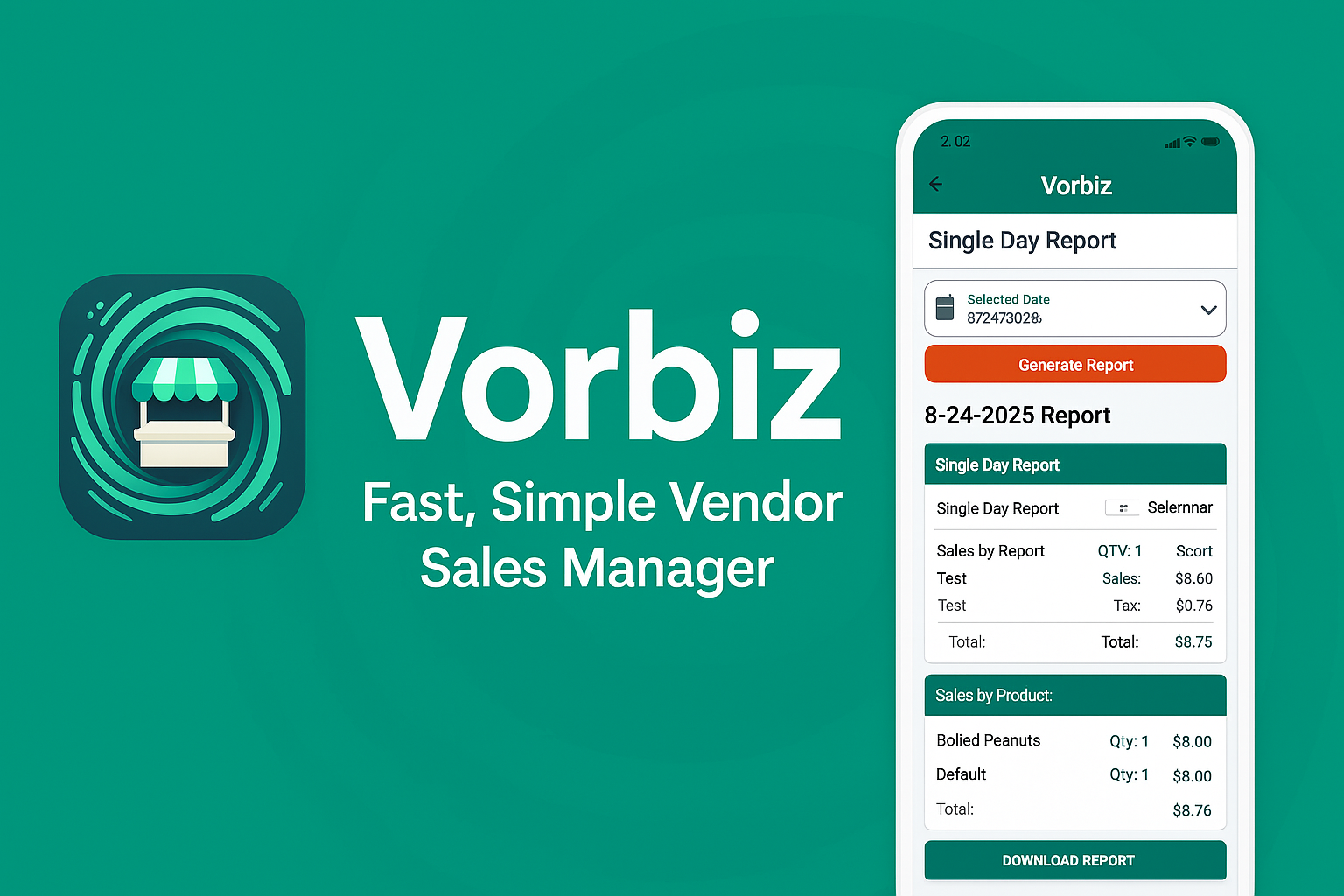
Stop Guessing. Start Growing.
Stop waiting until the end of the month to see if you made money. Get instant clarity on every sale, even without Wi-Fi.

