How do you evaluate if a craft fair was profitable?
The fair was busy, but the real win is knowing your net profit, margin, and profit per hour before you book the next one.
The Narrative
The Empathy
You pack up after a long fair with a stack of sales slips, a few half-remembered expenses, and the tired feeling that it was either a big win or a big drain. The cash box looks healthy, but when you think about the booth fee, supplies, travel, and the hours you were on your feet, you're not sure what the day actually paid you. That uncertainty makes it tough to decide if you should sign up for the same event next season.
The Education
Start with net profit: total sales minus every cost tied to the event (booth fee, materials used, packaging, travel, and any paid help). Then look at profit margin by dividing net profit by sales, which tells you how much of each dollar you kept after expenses. Finally, calculate profit per hour by dividing net profit by the total hours you worked, including setup and teardown. For example, $900 in sales minus $420 in costs leaves $480 net profit; that's a 53% margin, and over 10 hours it's $48 per hour. Those three metrics turn a “busy day” into a clear financial verdict.
The Solution
Build a repeatable post-fair wrap-up: record sales, log every event expense, and capture total hours while the details are still fresh. With those numbers, you can compare fairs side by side, set minimum profit targets, and choose events that hit your margin and profit-per-hour goals. The system keeps the decision simple—if the net profit and hourly return are strong, it's a fair worth repeating.
Event-level metrics to track
A fair is profitable when the net profit beats your minimum target and the time spent was worth it. Track the same three numbers after every event so comparisons stay clean.
- Net profit (sales minus all event costs).
- Profit per hour (net profit ÷ total hours for prep, setup, and selling).
- Margin (net profit ÷ total sales).
ROI vs. expectations
Compare actual results to what you expected before you booked the booth. If the fair met or exceeded your forecast, it stays on the calendar. If it missed the mark, treat it as a data point for better pricing, inventory, or show selection.
- Set a sales goal and minimum profit target before you commit.
- Note the gap between expected and actual results to refine your forecasting.
- Track repeat customer sign-ups or wholesale leads as bonus value.
What counts as a “good” show?
A good show is one that clears your minimum profit and feels repeatable. Many vendors set a baseline like “at least 2–3x the booth fee in net profit” or a minimum hourly rate that beats their production wage.
- Pick a target hourly rate that reflects your labor value.
- Set a minimum net profit threshold before booking again.
- Compare against your best-performing fairs, not just average days.
When to skip events
If a fair repeatedly misses your targets, it may not be worth the time or cash tied up in inventory and booth fees. Skipping low-ROI events can free up budget for higher-performing shows.
- Drop events that miss your profit target two times in a row.
- Skip fairs that require big upfront spending without clear demand signals.
- Reinvest the time into online sales or better-fit markets.
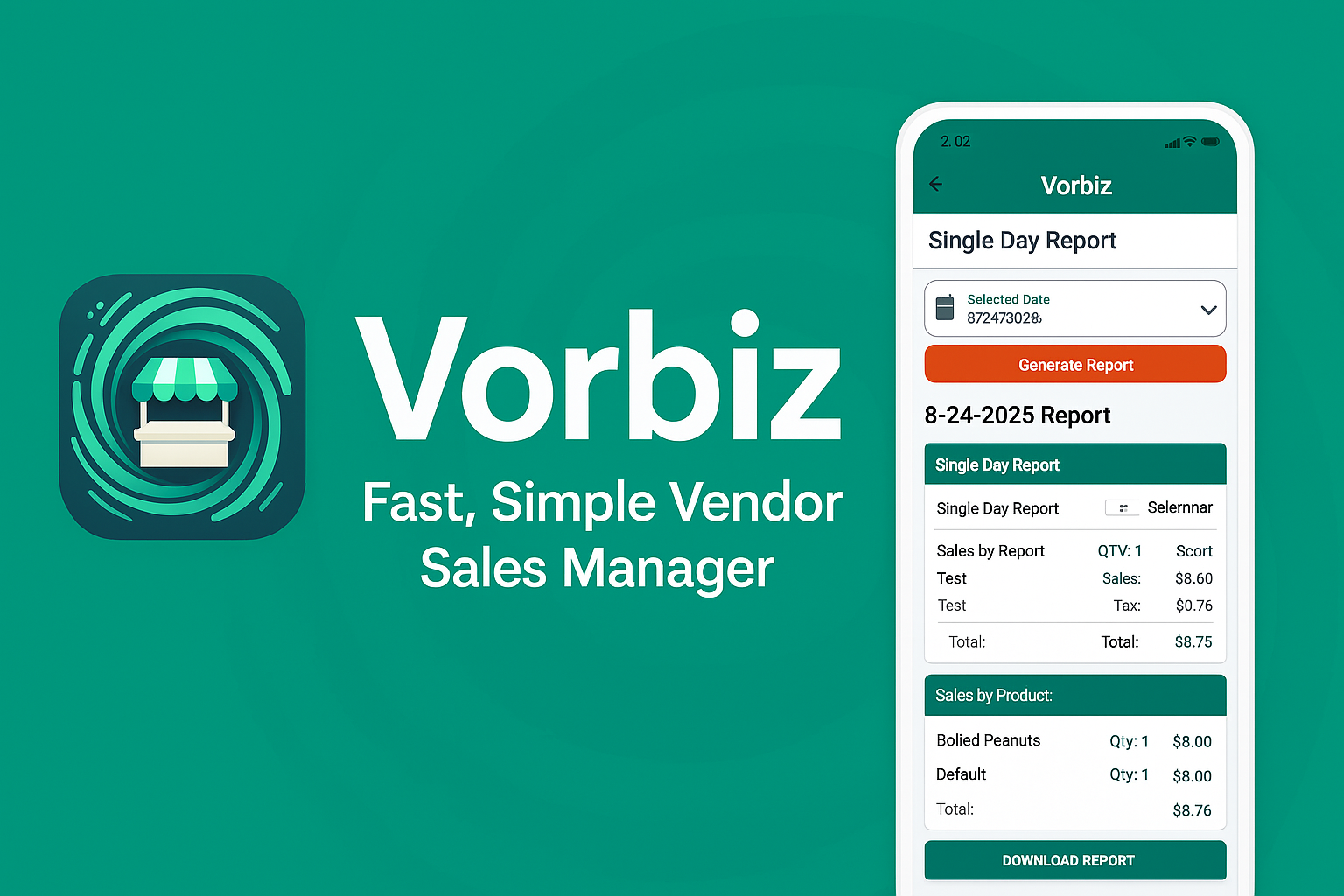
Stop Guessing. Start Growing.
Stop waiting until the end of the month to see if you made money. Get instant clarity on every sale, even without Wi-Fi.

