If I only break even, are craft fairs worth it?
Breaking even can still be a smart investment, but only if the fair delivers the right mix of revenue, customer growth, and long-term momentum.
The Narrative (Left Column)
The Empathy
You pack up after a long day, count the cash, and realize you barely covered the booth fee and supplies. The sales felt steady, the shoppers were kind, and you even ran out of a few favorites, but the final tally makes you wonder if it was worth the early morning, the setup, and the aching feet.
The Financial Benefits
Break-even shows can still pay you back financially when they reduce future costs or increase revenue later. Maybe you cleared slow-moving inventory, tested a new product line without a discount, or collected enough email sign-ups to drive online orders. Look for measurable wins such as average order size, repeat purchases within 30 days, and whether the event led to wholesale inquiries or higher-margin custom work.
The Non-Financial Benefits
Some fairs deliver value that doesn't hit the register immediately: brand awareness, professional photos of your booth, feedback on pricing, or connections with other makers. If you left with clearer messaging, better booth flow, or a list of boutiques to pitch, those outcomes can strengthen the business even when profit is thin.
Decision Criteria
Create a simple scorecard before you commit again: set a minimum net profit target, a minimum customer contact goal (emails, social follows, or DMs), and a learning goal (like testing a new display or price point). If a show meets at least two of those three criteria, it can still be worth repeating. If it misses all three, it's a clear signal to pass or renegotiate the fee.
The Solution
Track each event the same way: log sales, costs, hours, and the follow-up metrics that matter to you. That history turns "break-even" into a clearer decision: you'll know which fairs spark repeat buyers, which ones build your brand, and which ones quietly drain your time.
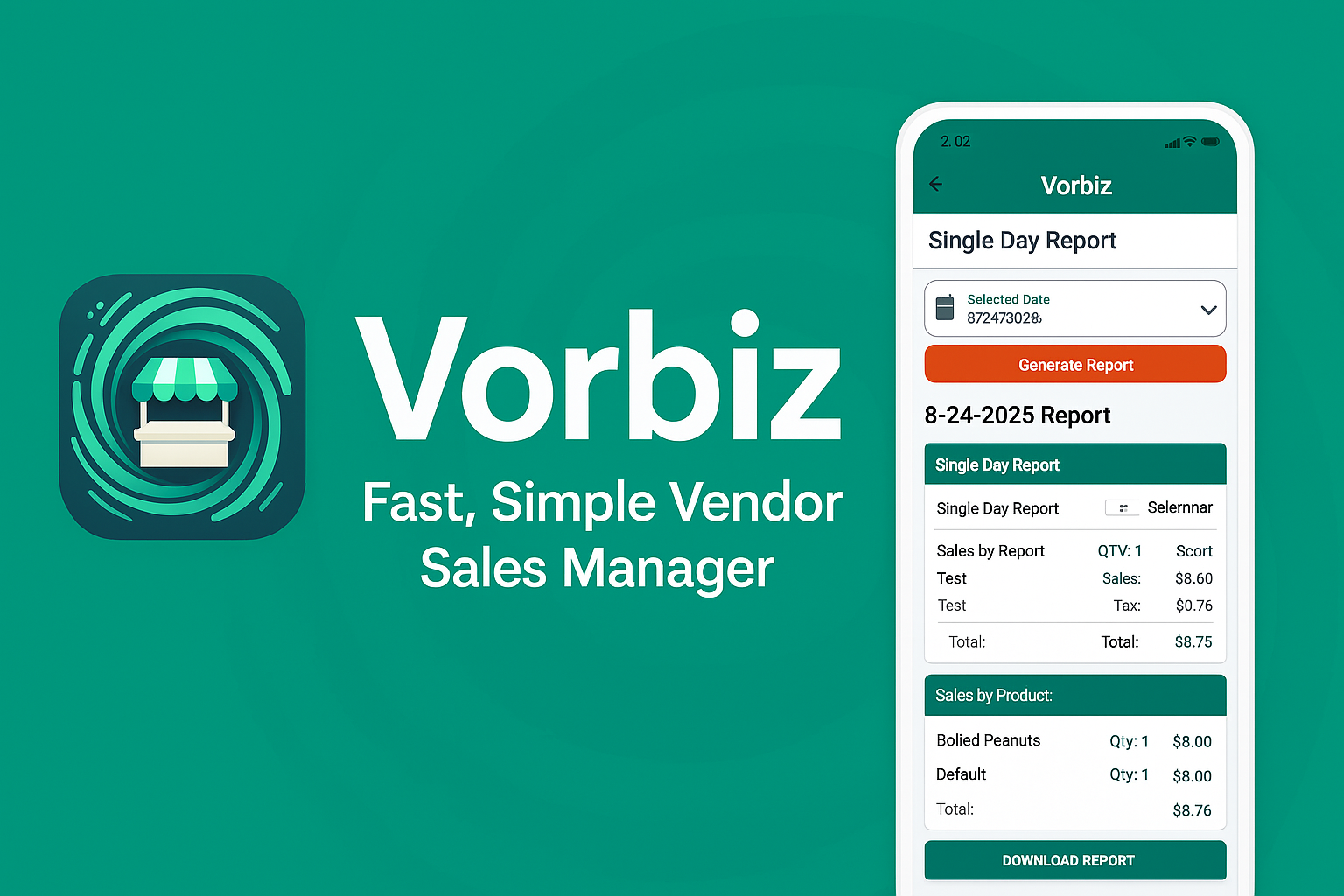
Stop Guessing. Start Growing.
Stop waiting until the end of the month to see if you made money. Get instant clarity on every sale, even without Wi-Fi.

