We didn’t profit at our first show. Is that normal?
Your first event often reveals hidden costs and time you didn’t know you had—profit comes once those numbers are visible and the next show is planned with them in mind.
The Narrative (Left Column)
The Empathy
That first show is a whirlwind—setting up before sunrise, talking with customers, and packing up at the end of the day with a tired smile. Then you total the receipts and the cash box and it doesn't feel like a win. Booth fees, gas, packaging, and last-minute supplies add up fast. It's normal to feel disappointed or wonder if you misread the market. Many vendors discover their first show is less about profit and more about learning the real cost of showing up.
The Education
Low profit usually comes from a mix of one-time and ongoing costs that aren't obvious until you track them. Common culprits include:
- High fixed costs (booth fee, travel, display supplies) that require a higher sales floor.
- Underpricing items or not accounting for packaging, card fees, and discounts.
- Inventory mix that favors low-margin items while high-margin items are understocked.
- Slow foot traffic from timing, weather, or a market that doesn't match your ideal customers.
- Labor time that isn't valued, which makes a "busy" day feel better than it truly was.
Profitability isn't just total sales—it's sales minus every event cost, divided by the hours you worked. When you calculate that net number, you can see whether a show is truly paying you for your time.
The Solution
The next show improves when you make small, measurable adjustments. Start by logging every cost and hour so you can set a clear break-even target. Then plan the next event with those insights:
- Adjust pricing or bundles to protect margins after fees and packaging.
- Raise your average order value with add-ons or clear multi-item offers.
- Refine inventory to spotlight the items with the best profit per hour.
- Choose markets that align with your customer and foot traffic goals.
- Prepare a quick post-show recap so the data is captured before it fades.
With a simple tracking routine, your second show isn't a guess—it's a strategy. You'll know the sales target, the minimum margin you need, and whether the event is worth repeating.
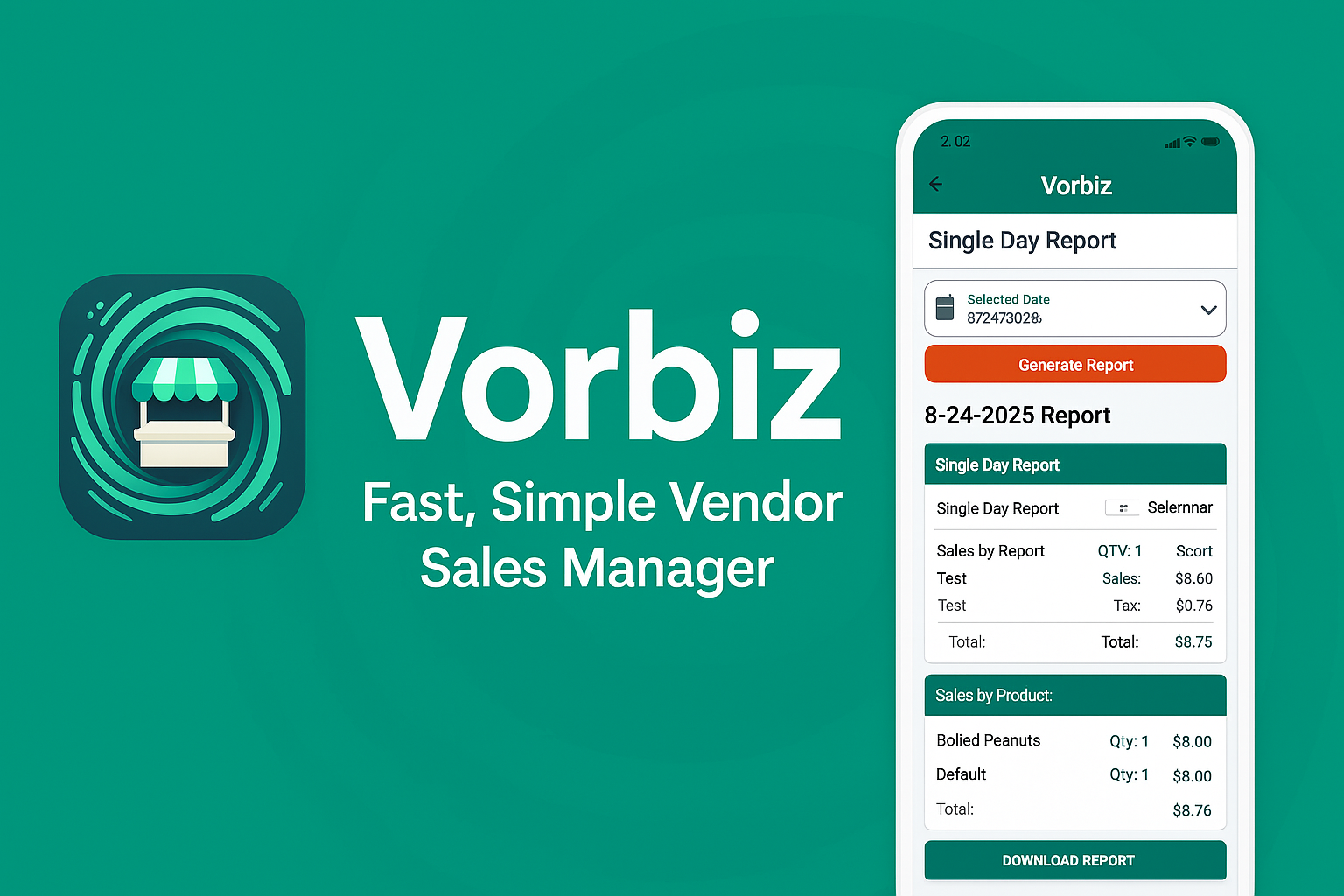
Stop Guessing. Start Growing.
Stop waiting until the end of the month to see if you made money. Get instant clarity on every sale, even without Wi-Fi.

