What are some ways to cut costs for craft shows?
The most reliable profit boost isn't always more sales—it's trimming the event costs that quietly drain every show.
The Narrative
The Empathy
After a weekend market, the cash drawer looks decent, but the pile of expenses is loud: booth fees, gas, parking, lunch, and a last-minute banner you grabbed on the way in. It's frustrating to see solid sales yet feel like the profit disappears by Monday morning. Most vendors don't feel expensive—they feel "necessary" in the moment—and that makes it hard to spot what can be trimmed.
The Education
Think of show expenses in two buckets: fixed event costs (booth fees, permits, lodging) and variable costs (packaging, payments, supplies). Fixed costs don't change with sales, so lowering them has the biggest impact on break-even. Variable costs add up sale by sale, so even small reductions raise your profit margin. Tracking both categories makes it easier to see which shows are high-fee but low-return, and where a small tweak can lift net profit per hour.
The Solution
Build a cost-reduction checklist for each show so you decide before you spend. Practical ways to cut costs include:
- Share a booth with a complementary vendor to split fees and increase foot traffic.
- Build DIY displays or refresh existing fixtures instead of buying new setup pieces each season.
- Choose local shows when possible to reduce fuel, hotels, and shipping expenses.
- Batch-buy packaging and consumables to lower per-sale costs.
- Pack meals and snacks to avoid pricey on-site food.
- Reuse signage by designing modular banners and price cards that update easily.
The goal is to protect profit without sacrificing presentation. When you plan these decisions up front, the math is clearer, the booth still looks polished, and you leave the show knowing exactly what you kept.
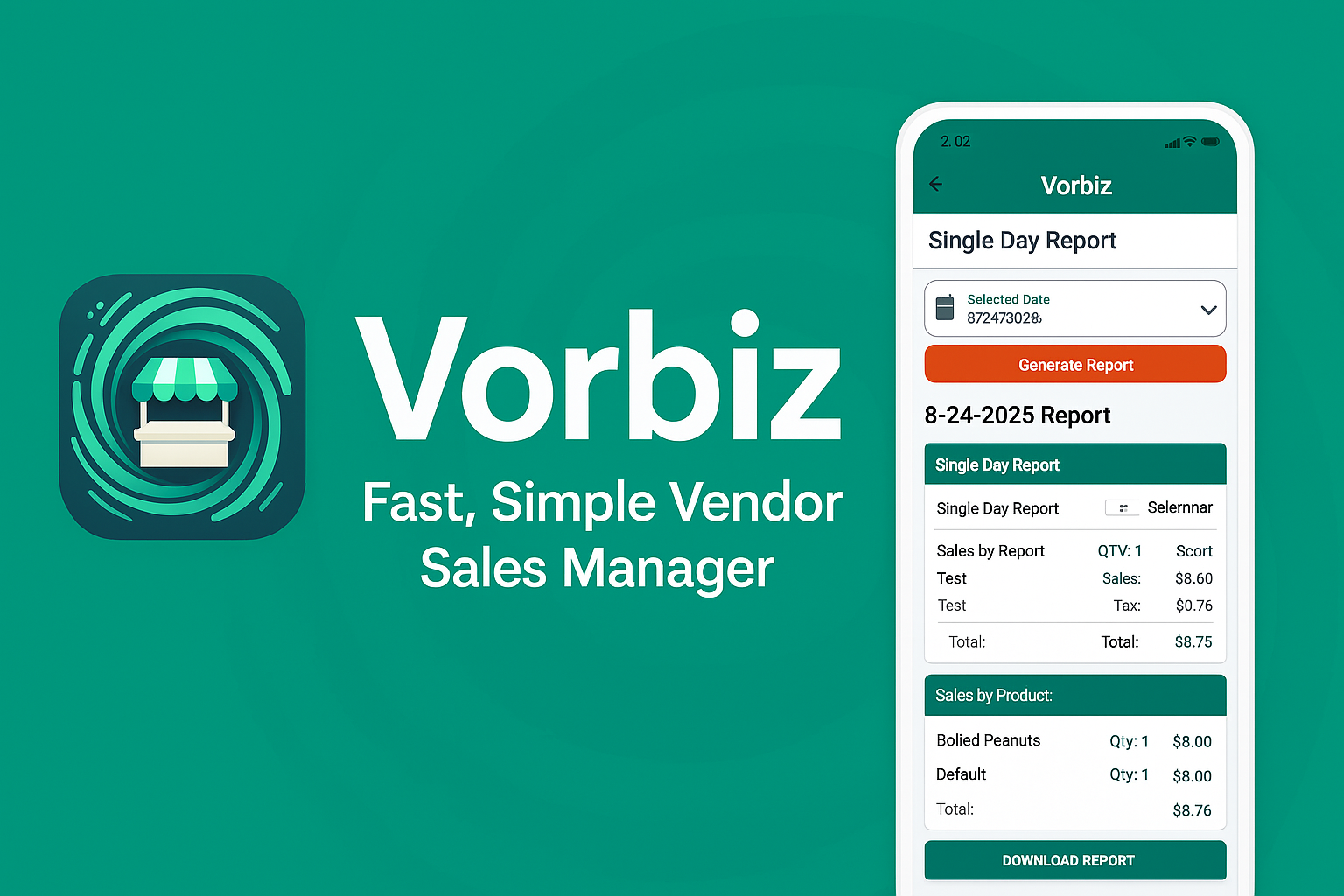
Stop Guessing. Start Growing.
Stop waiting until the end of the month to see if you made money. Get instant clarity on every sale, even without Wi-Fi.

