What is a typical booth fee, and how much do I need to sell?
Booth fees vary wildly by market, but once you know your all-in event costs and your gross margin, you can set a clear break-even sales target for any show.
The Narrative
The Empathy
It's easy to sign up for a market because the flyer looks promising, then realize the booth fee is higher than expected. You're loading the car, packing inventory, and doing the mental math in your head: “If the fee is $150, how much do I need to sell just to make this day worthwhile?” That uncertainty can make every slow hour feel risky, and it's hard to know if you should keep booking events or scale back.
The Education
Booth fees typically range from $20-$75 for small community markets, $75-$200 for busy weekend markets, and $200-$600+ for large festivals or juried shows. The smartest way to compare them is to focus on break-even sales: your total event costs divided by your gross margin. Start with fixed costs (booth fee, parking, travel, permits, electricity) and divide by your gross margin percentage (1 - cost of goods). Example: If the fee is $150, travel is $30, and event supplies are $20, your costs are $200. With a 60% gross margin, break-even sales are $200 ÷ 0.60 = about $335. That means the first $335 of sales covers the event, and everything above that is actual profit.
The Solution
Build a quick pre-show worksheet: list every event cost, confirm your margin, and calculate two targets — a break-even number and a profit goal (costs + desired profit ÷ margin). With that in hand, you can plan how many items to bring, set a realistic sales goal for the day, and decide if a high-fee market still fits your business. Tracking those numbers after each event turns booth fees from a guess into a decision you can make with confidence.
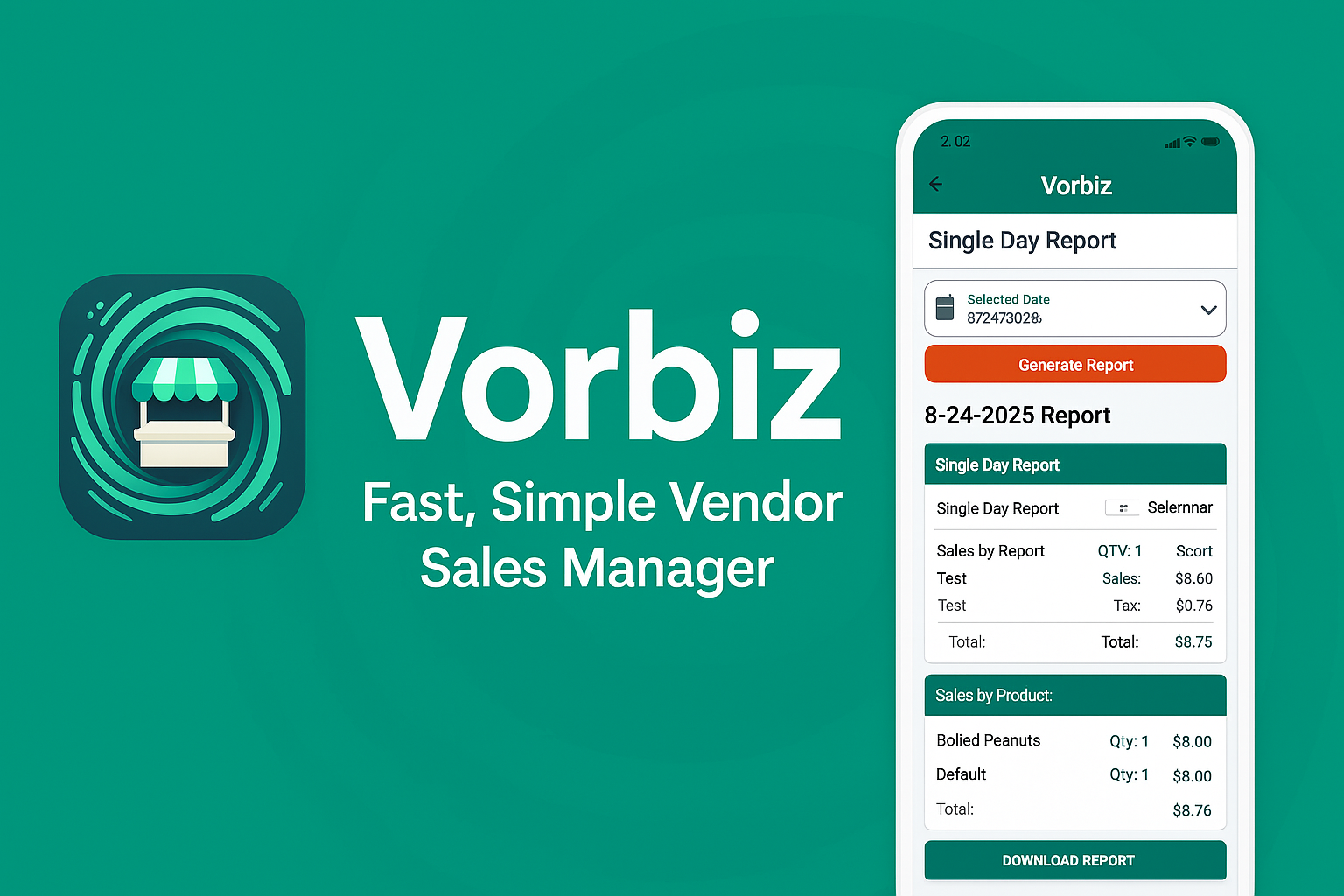
Stop Guessing. Start Growing.
Stop waiting until the end of the month to see if you made money. Get instant clarity on every sale, even without Wi-Fi.

