Are holiday fairs or peak-season markets more profitable?
Demand spikes can inflate sales, but the most profitable season is the one where your margins survive the rush.
The Narrative (Left Column)
The Empathy
Holiday fairs look like easy wins. The crowds are huge, shoppers are gift-hunting, and the energy feels electric. Then peak-season markets roll around in late spring and summer, and the foot traffic is steady but calmer. It is hard to tell which season is actually more profitable when demand spikes make one weekend feel like a windfall, and the next feels like a grind. Vendors end up chasing the biggest crowd without knowing if the numbers hold up.
The Education
Seasonality changes the entire math. Holiday fairs often bring higher average orders and faster sales velocity, but they also stack on higher booth fees, longer hours, and more inventory risk. Peak-season markets may have smaller baskets per customer, yet they deliver predictable demand with fewer rush costs. To compare them, track net profit per hour and inventory sell-through during demand spikes, then weigh it against slow-season events that give you steady, repeat customers. The most profitable season is the one where demand lifts your margins instead of inflating your expenses.
The Solution
Build a seasonality scorecard. Log every show with booth fees, travel, labor hours, and how much inventory you had to front-load for that demand spike. Add a note about weather, promotions, and foot traffic so you can identify whether holiday surges or peak-season consistency produces better net profit. When the numbers are in one place, you can plan production, pricing, and staffing around the season that truly pays you back.
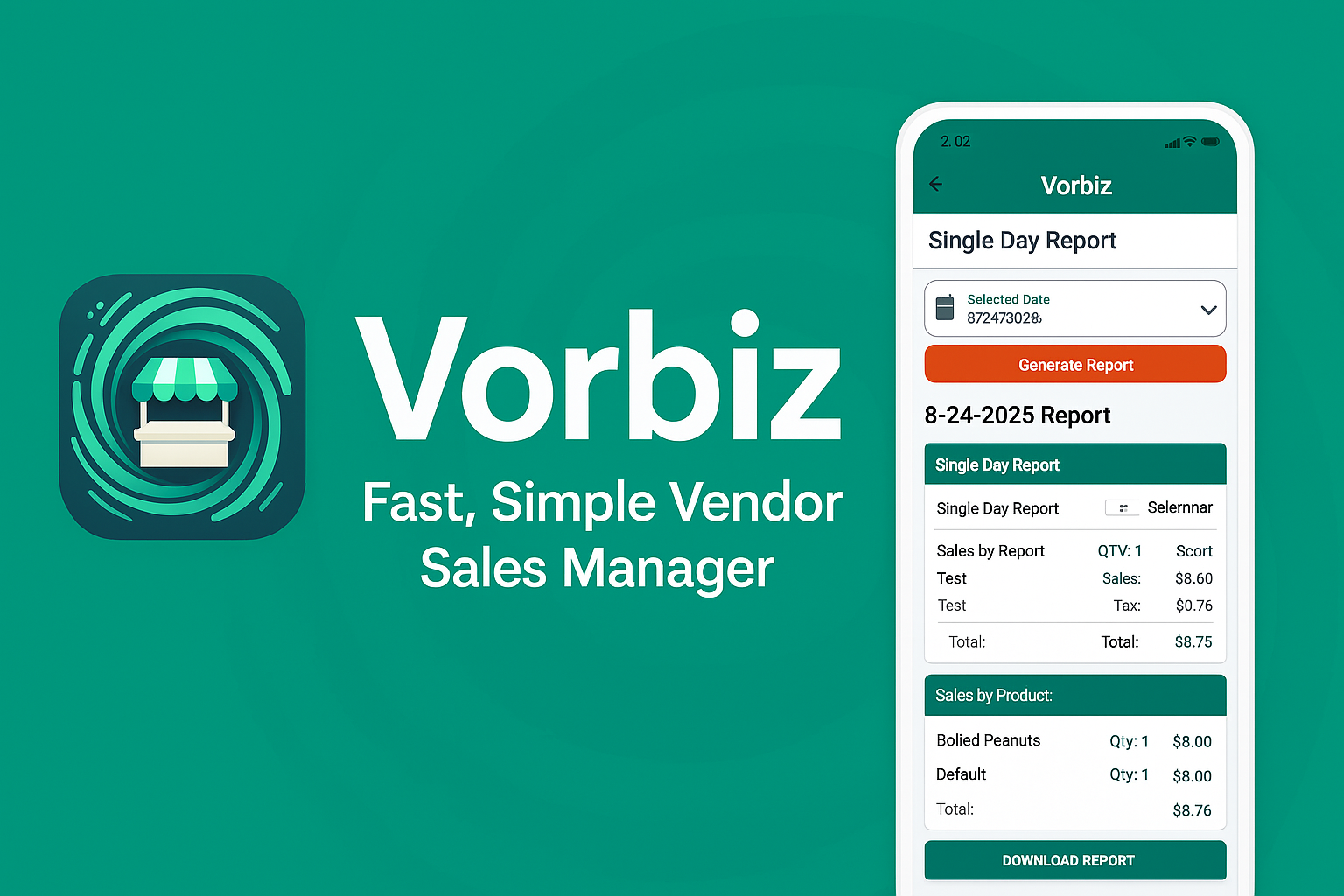
Stop Guessing. Start Growing.
Stop waiting until the end of the month to see if you made money. Get instant clarity on every sale, even without Wi-Fi.

