Is it better to do a few big shows or many smaller ones?
Big shows can bring huge sales, but smaller markets can deliver steadier profit and lower risk when you track the real costs per event.
The Narrative
The Empathy
You're staring at a calendar full of choices. The giant holiday market promises a huge crowd, but the booth fee is almost a month's rent. The local weekend pop-up is cheaper and familiar, but you wonder if you're capping your growth by sticking with smaller shows. You want to bet on the right events without gambling your entire season on one outcome.
The Education
The best choice is the one with the strongest net profit per hour and the lowest risk to your cash flow. Here are the tradeoffs to weigh:
Pros and cons of big shows
- Pros: higher foot traffic, larger average order sizes, stronger brand exposure.
- Cons: steep booth fees, higher inventory requirements, more staff hours, and bigger travel or lodging costs.
Pros and cons of smaller shows
- Pros: lower fees, predictable expenses, easier setup, and less inventory pressure.
- Cons: smaller sales ceiling, more repeat work to hit revenue goals, and slower customer growth.
Profitability considerations go beyond gross sales. Compare each show by the total event cost (booth fee, materials, travel, lodging, card fees, and labor), then divide net profit by total hours worked. Big shows can win when you have enough inventory to meet demand and a marketing plan to convert the crowd. Smaller shows can win when they deliver consistent profit, keep cash flow smooth, and leave you time to produce inventory without burnout.
The Solution
Track every show in the same way: total sales, total costs, hours worked, and leftover inventory. If a big show's net profit per hour beats your smaller markets and the cash flow hit is manageable, it's worth repeating. If smaller shows provide a stronger hourly return or a smoother schedule, stack more of them and treat the big show as a strategic bonus rather than your core plan. A simple event tracker turns a stressful guess into a confident, data-driven decision.
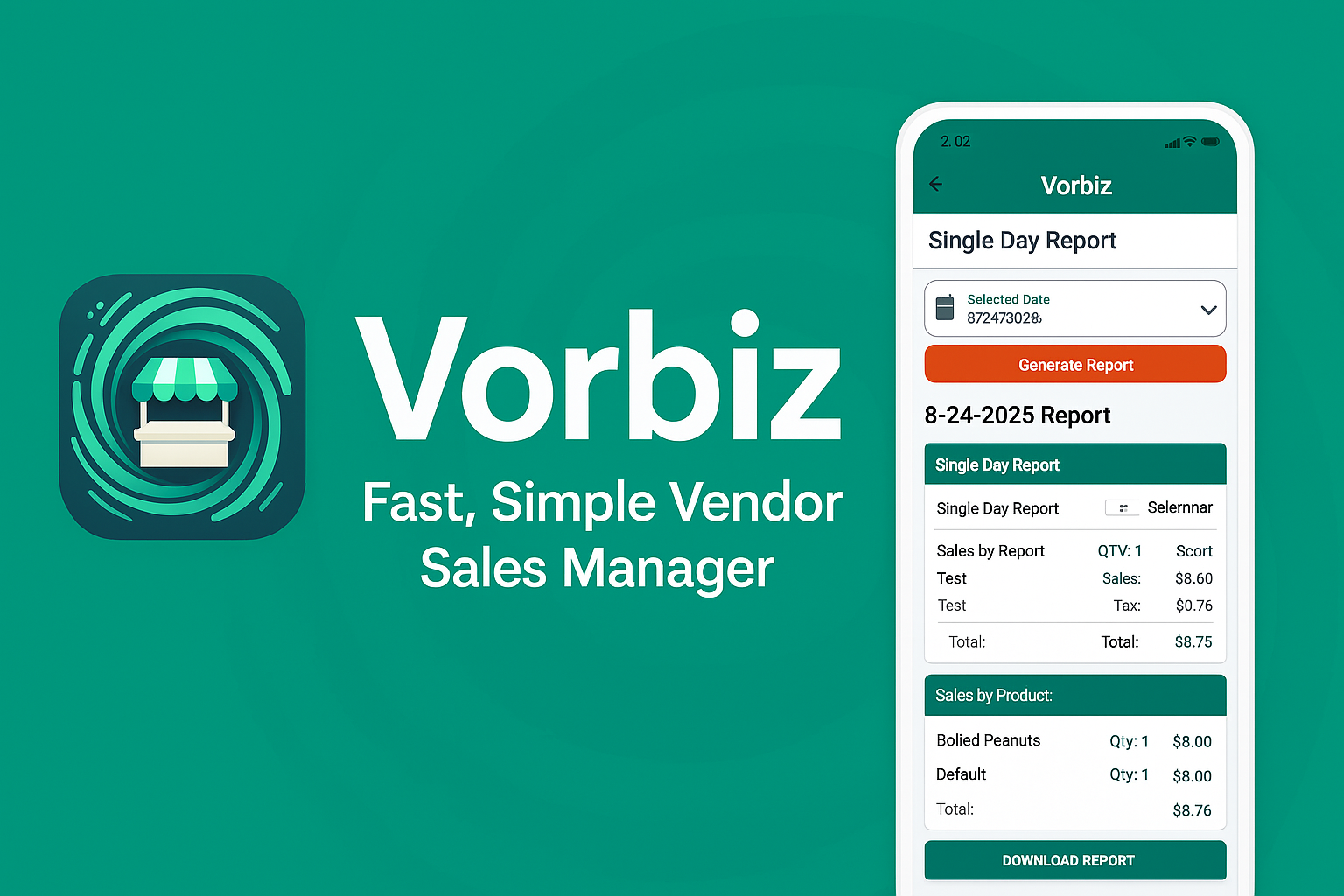
Stop Guessing. Start Growing.
Stop waiting until the end of the month to see if you made money. Get instant clarity on every sale, even without Wi-Fi.

