Is it feasible to do craft fairs as a full-time income?
It can be feasible, but only when seasonal swings, sales volume, and real expenses are planned for like a paycheck replacement—not a side hustle bonus.
The Narrative
The Empathy
The idea feels exciting: a calendar full of markets, a van packed with inventory, and a craft you love paying the bills. Then reality hits in January when the market calendar dries up, or in July when heat keeps shoppers away. Some weekends sell out and feel like freedom; others barely cover gas. It's hard to know if the good days are enough to carry the slow ones, especially when you're also managing inventory builds, admin work, and the stress of relying on unpredictable crowds.
The Education
Full-time feasibility hinges on four realities: seasonality, volume, expenses, and risk. Craft fairs are often peak-heavy—holiday markets can be 2–4x stronger than spring or summer shows—so a full-time plan must bank surplus during peak months to cover the off-season. Volume matters, too: a single weekend rarely replaces a steady paycheck, so you'll need a schedule with enough high-traffic shows and a product lineup that scales without burning you out. Expenses go beyond booth fees: add materials, packaging, card fees, fuel, lodging, market insurance, displays, and the labor hours that don't show on the sales tally. Risk is real—bad weather, low foot traffic, and last-minute cancellations can drop revenue to near zero—so an emergency buffer and a diverse mix of shows is essential.
The Conclusion
A balanced answer is "yes, with guardrails." If your average net profit per event (after all costs and labor) can cover your monthly needs even in slower months, full-time fairs can work. If the numbers only work in peak season, treat fairs as a primary channel but add stabilizers like wholesale, online orders, or custom work. The goal isn't just big weekends—it's a dependable annual average that leaves room for taxes, rest, and growth.
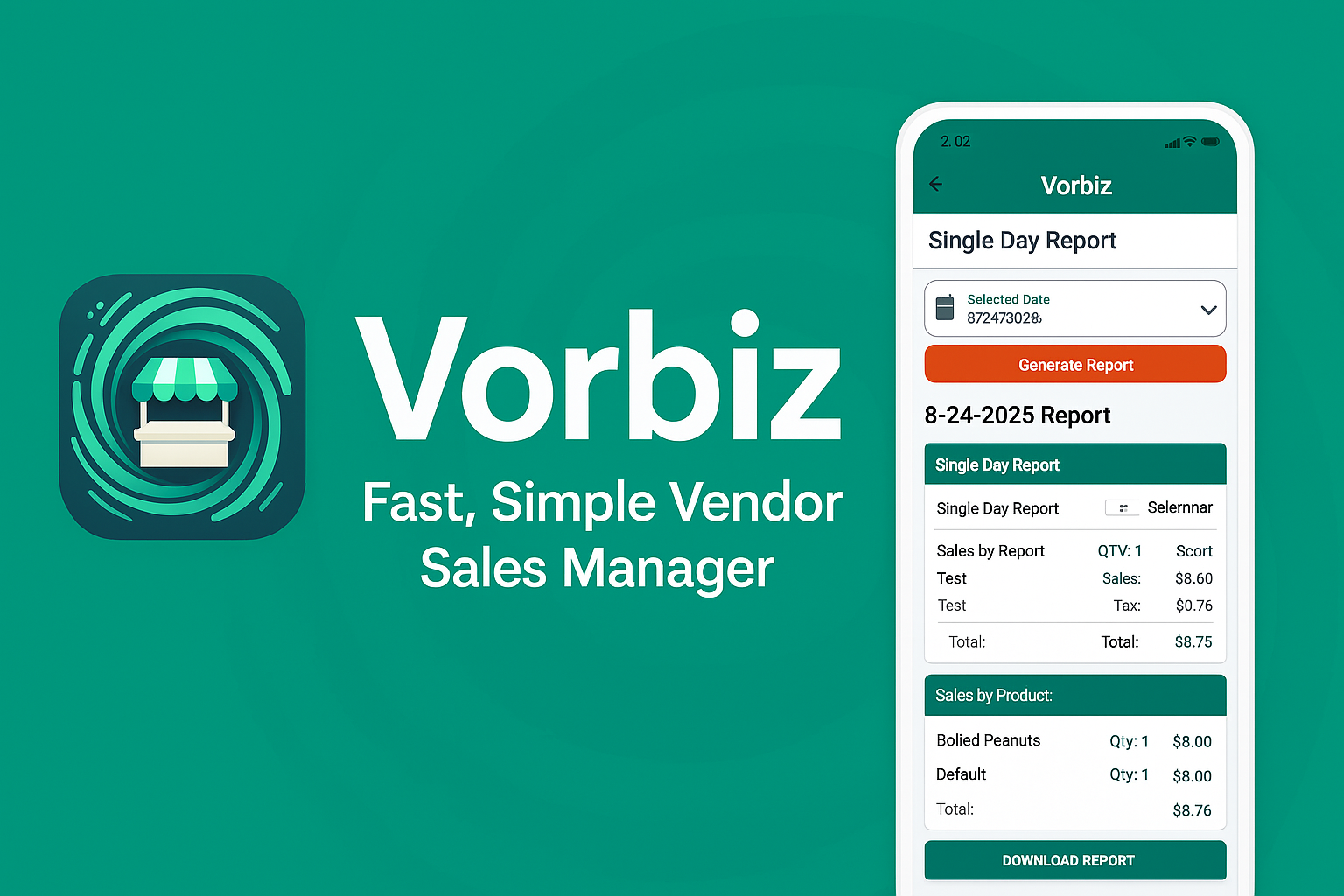
Stop Guessing. Start Growing.
Stop waiting until the end of the month to see if you made money. Get instant clarity on every sale, even without Wi-Fi.

