Is it more profitable to sell many low-priced items or fewer high-priced ones?
Profit comes from the mix of margin, conversion rate, and basket size—not just the number of transactions.
Back to profitability questionsThe Narrative (Left Column)
The Empathy
Vendors feel this tug-of-war every market day. A table full of $8–$15 items keeps shoppers stopping by, but the best sellers fly off fast and the cash stack still feels thin. Meanwhile, those $80 statement pieces get plenty of compliments yet linger until late afternoon. It can feel like a coin flip: should you chase volume and hope it adds up, or focus on higher-priced work and wait for the right buyer?
The Education
The answer comes from three levers working together: margin, conversion rate, and basket size. Low-priced items tend to lift conversion rate (more people buy), but the margin per sale is smaller. High-priced items can carry stronger margins, yet conversion rate often drops because fewer shoppers are ready to spend that much. Basket size bridges the gap—if low-priced items encourage add-ons (two candles, a bundle, a gift set), the average transaction grows and the smaller margin can still produce meaningful profit. If high-priced items routinely pull a matching accessory or premium upgrade, that larger basket can offset the slower pace. The math to watch is profit per hour: (average margin per sale) x (conversion rate) x (basket size) over the day.
The Solution
Track each event with simple metrics: how many visitors stop, how many buy, average ticket size, and gross margin by product tier. With that view, vendors can intentionally mix price points—entry items to keep foot traffic converting, mid-tier bundles to lift basket size, and hero pieces that protect margin. The right mix makes it possible to see which lineup delivers steady profit, rather than guessing based on how busy the booth felt.
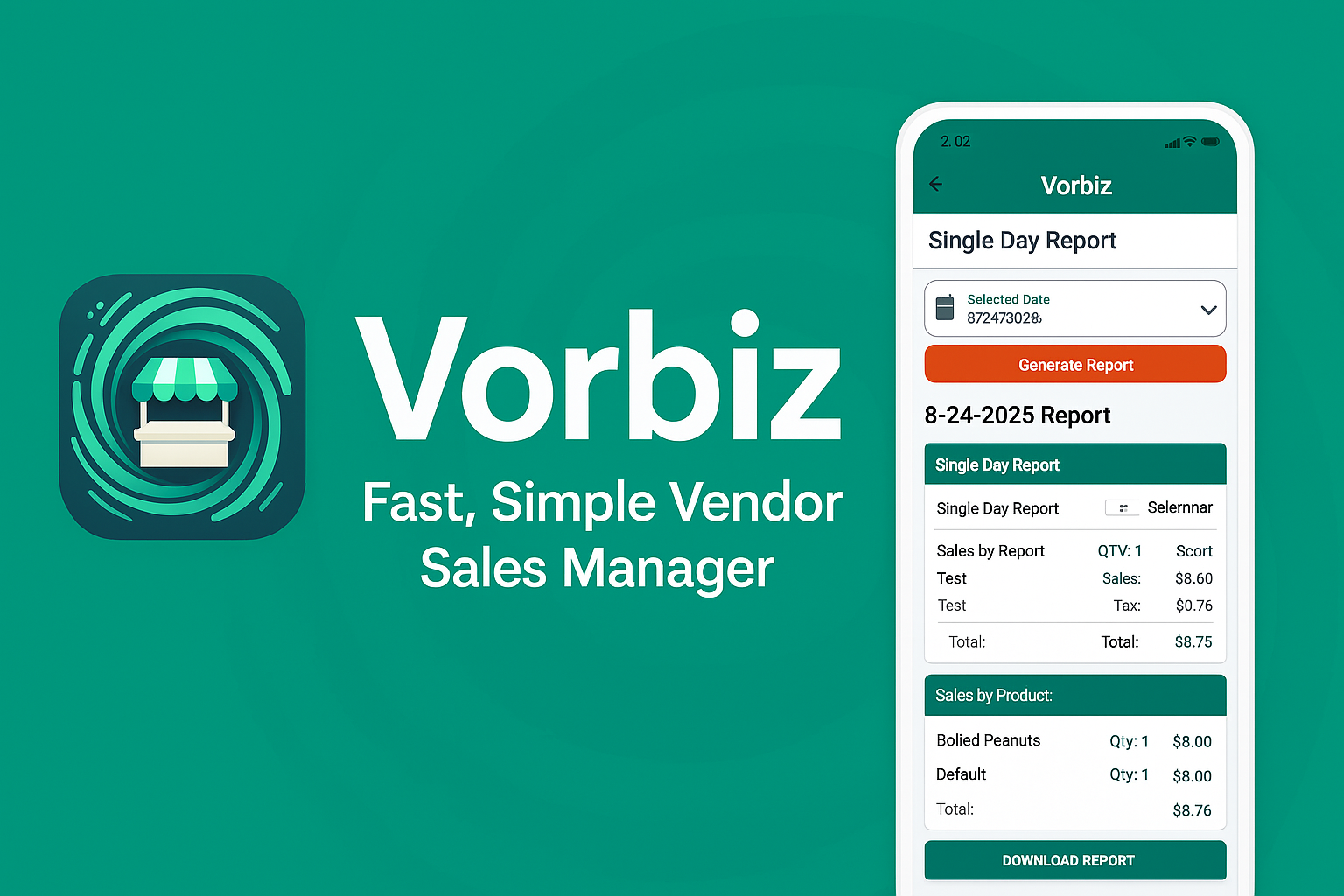
Stop Guessing. Start Growing.
Stop waiting until the end of the month to see if you made money. Get instant clarity on every sale, even without Wi-Fi.

